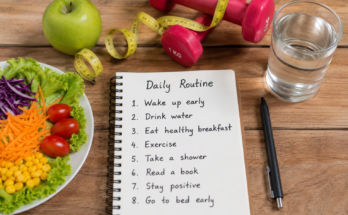
Getting enough sleep every night is one of the most important habits for maintaining good health and a balanced lifestyle. Sleep gives the body and mind time to rest, recover, and prepare for the next day. Many people have busy schedules and often reduce their sleeping hours to complete work, study, use social media, or watch television. However, regularly missing sleep can affect physical health, mental well being, energy levels, and daily performance.
A good night of sleep is not simply about feeling less tired in the morning. Quality sleep supports many important functions of the body. It helps the brain process information, supports the immune system, improves mood, and allows the body to repair itself. Making enough sleep a regular part of your daily routine can help you feel healthier, more focused, and more energetic.
Why Getting Enough Sleep Is Important
Sleep plays a major role in overall health. While sleeping, the body performs several important processes that are difficult to notice. Muscles and tissues recover, the brain processes information, and the body prepares itself for another active day.
When a person gets enough sleep, they are more likely to wake up feeling refreshed and ready to complete daily activities. On the other hand, poor sleep can make even simple tasks feel difficult. Lack of sleep may lead to tiredness, poor concentration, low motivation, and changes in mood.
Getting enough sleep every night is therefore an important part of a healthy lifestyle, along with nutritious food, physical activity, and good personal habits.
Sleep Supports Brain Health
One of the major benefits of getting enough sleep is better brain function. The brain remains active while you sleep and uses this time to organize and process information collected during the day.
Good sleep can support memory, learning, concentration, and problem solving. Students who sleep properly may find it easier to focus during lessons and remember important information. Adults can also benefit because sufficient sleep can improve attention and decision making.
When you do not get enough sleep, you may find it harder to concentrate on work or remember details. You may also become slower at completing tasks. This is why sleep should be considered an important part of productivity rather than something that takes time away from productivity.
Sleep Helps Improve Mood
Sleep and emotional health are closely connected. A person who regularly gets enough sleep may feel calmer and more emotionally balanced during the day.
Poor sleep can make people feel irritated, impatient, stressed, or emotionally tired. Even small problems can seem more difficult when you have not slept well. Getting enough rest gives the brain an opportunity to recover and can help support a more positive mood.
A regular sleep schedule can also make mornings easier. Waking up after a comfortable night of sleep may help you start the day with better energy and motivation.
Sleep Supports the Immune System
The immune system works continuously to protect the body. Quality sleep supports normal immune function and gives the body time to recover from daily physical and mental demands.
People who regularly sleep poorly may feel run down and less energetic. Maintaining healthy sleeping habits can support the body’s natural ability to protect and repair itself.
Sleep should therefore be viewed as an important part of maintaining overall wellness. Eating healthy foods and exercising regularly are valuable habits, but adequate sleep is also essential.
Getting Enough Sleep Supports Physical Recovery
During sleep, the body has time to recover from daily activities. This is particularly important for people who exercise, perform physical work, or have active lifestyles.
Adequate sleep supports normal muscle recovery and helps the body restore energy. When you sleep well, you may feel more prepared for physical activity the following day.
People who constantly reduce their sleeping hours may notice that their bodies feel tired and their energy levels remain low. Giving the body enough time to rest can make daily physical activities feel more manageable.
Sleep Can Improve Daily Energy
Energy is necessary for work, study, exercise, family responsibilities, and many other activities. One of the simplest ways to support daytime energy is to establish a healthy sleep routine.
When you get enough sleep at night, you are more likely to feel awake and alert during the day. You may also have greater motivation to stay active.
Many people try to overcome tiredness by drinking several cups of coffee or other caffeinated drinks. Although caffeine may temporarily increase alertness, it does not replace the benefits of proper sleep. The better solution is to make sufficient nighttime sleep a priority.
How Much Sleep Do You Need?
The amount of sleep a person needs can vary depending on age and individual circumstances. Adults generally need around seven to nine hours of sleep each night. Teenagers and children usually require more sleep because their bodies and brains are still developing.
The quality of sleep is also important. Sleeping for many hours but waking frequently may not provide the same benefits as continuous, restful sleep.
Instead of focusing only on the number of hours, pay attention to how you feel during the day. If you regularly wake up tired or struggle to stay alert, your sleep routine may need improvement.
Simple Ways to Get Better Sleep
Developing healthy sleep habits can make it easier to get enough sleep every night. Try to go to bed and wake up at approximately the same time each day. A consistent routine can help your body develop a natural sleep pattern.
Create a comfortable sleeping environment that is quiet, dark, and relaxing. Keep your bedroom at a comfortable temperature and use a comfortable mattress and pillow.
It is also helpful to reduce screen use before bedtime. Phones, computers, and televisions can keep your mind active when you should be preparing for sleep. Instead, consider reading a book, listening to calm music, or spending a few quiet minutes relaxing.
Avoid consuming large amounts of caffeine late in the day because it may make falling asleep more difficult. Eating very heavy meals close to bedtime may also affect comfort.

Avoid Making Sleep a Low Priority
Modern life can make it easy to treat sleep as something that can be sacrificed whenever there is not enough time. People may stay awake late to finish work, study, browse the internet, or watch entertainment.
Occasionally staying up late may happen, but regularly reducing sleep can become an unhealthy habit. If you consistently place other activities above sleep, your body may eventually show signs of tiredness.
Planning your day carefully can help create enough time for rest. Going to bed at a reasonable time should be treated as an important part of your daily schedule.
The Connection Between Sleep and Healthy Lifestyle
Getting enough sleep works together with other healthy habits. A balanced diet provides nutrients, physical activity keeps the body strong, and sleep gives the body and brain time to recover.
These habits can support each other. For example, regular physical activity can help many people sleep better, while good sleep can provide the energy needed to remain active.
A healthy lifestyle is not based on one habit alone. Instead, it is created through several simple choices that are repeated consistently.
Final Thoughts
The importance of getting enough sleep every night should never be underestimated. Quality sleep supports brain function, emotional balance, physical recovery, immune function, energy, and everyday performance. When sleep becomes a regular priority, you may feel more focused, refreshed, and prepared for daily responsibilities.
Creating a healthy sleep routine does not require complicated changes. Going to bed at a consistent time, keeping the bedroom comfortable, limiting screen use before bedtime, and avoiding late caffeine can all help support better sleep habits.
Sleep is not wasted time. It is an essential part of taking care of your body and mind. By making enough sleep a priority every night, you can build a healthier daily routine and give yourself a better foundation for long term well being.