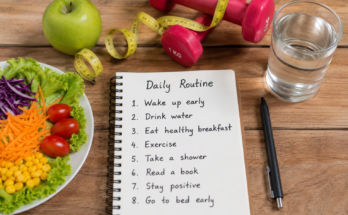
Regular exercise is one of the most important habits for maintaining a healthy and active life. Physical activity does much more than help people manage their body weight. It supports heart health, strengthens muscles and bones, improves mental wellbeing, increases energy, and can reduce the risk of many common health problems. Even simple activities such as walking, stretching, cycling, or doing household work can contribute to a more active lifestyle.
In today’s busy world, many people spend long hours sitting at work, studying, watching television, or using digital devices. This inactive lifestyle can affect both physical and mental health. Making regular exercise part of a daily routine can help the body stay strong and improve overall quality of life. The good news is that exercise does not always require expensive equipment or a gym membership. Consistent movement and healthy habits can make a meaningful difference.
Improves Heart Health
One of the biggest benefits of regular exercise is better heart health. The heart is a muscle that works continuously to pump blood throughout the body. Physical activity helps make the heart stronger and allows it to work more efficiently.
Activities such as brisk walking, jogging, swimming, cycling, and dancing can improve cardiovascular fitness. Regular exercise may also support healthy blood pressure and cholesterol levels when combined with a balanced diet and other healthy lifestyle choices.
A stronger cardiovascular system can help the body deliver oxygen and nutrients more efficiently. Staying active throughout life is therefore an important part of maintaining a healthy heart and reducing several cardiovascular risk factors.
Helps Maintain a Healthy Body Weight
Regular exercise plays an important role in maintaining a healthy body weight. The body uses energy during physical activity, and consistent movement can help create a healthy balance between the calories consumed and the energy used.
Exercise can be especially helpful when combined with nutritious foods, proper sleep, and other healthy habits. People do not necessarily need intense workouts to stay active. Walking regularly, taking the stairs, gardening, cleaning the home, and participating in recreational activities can all increase daily movement.
Maintaining a healthy weight can support mobility and make everyday activities easier. It can also reduce some health risks associated with excess body weight.
Strengthens Muscles and Bones
Strength training and weight bearing activities can help maintain strong muscles and bones. Muscles naturally become weaker when they are not used regularly. Simple resistance exercises can help improve muscle strength and physical performance.
Activities such as walking, climbing stairs, bodyweight exercises, and resistance training can also support bone health. Strong bones are important for maintaining mobility and reducing the risk of weakness as people get older.
Building strength does not mean everyone needs to become an athlete. A consistent exercise routine that matches a person’s fitness level can help support physical strength and independence.
Supports Mental Health
Exercise is not only beneficial for the body. It can also have a positive effect on mental wellbeing. Physical activity can help people manage everyday stress and may improve mood.
During exercise, the body responds to physical activity in ways that can promote feelings of relaxation and wellbeing. A walk outside, a short workout, or a favorite sport can provide a useful break from work and daily responsibilities.
Regular exercise may also help people feel more confident and motivated. Completing physical activity can create a sense of achievement, especially when individuals gradually improve their strength, endurance, or consistency.
Improves Sleep Quality
Good sleep is essential for overall health, and regular physical activity may support better sleep habits. People who exercise consistently often find it easier to relax and maintain a regular sleep schedule.
Exercise can help the body use energy during the day, which may make it easier to feel naturally tired at night. Activities such as walking, stretching, swimming, or moderate workouts can become part of a healthy daily routine.
However, everyone responds differently to exercise. Some people may prefer exercising earlier in the day, while others enjoy evening activities. Finding a comfortable routine can make regular exercise easier to maintain.

Increases Energy Levels
It may seem surprising, but regular exercise can help people feel more energetic. An inactive lifestyle can sometimes leave people feeling tired and sluggish. Moving the body regularly can improve physical fitness and make everyday tasks feel easier.
As fitness improves, activities such as walking, climbing stairs, carrying groceries, or playing with children may require less effort. This can contribute to greater confidence and independence in daily life.
Even a short period of movement can be useful when someone has been sitting for a long time. Getting up, walking around, stretching, or doing light household activities can help break up long periods of inactivity.
Supports Brain Health
Regular physical activity also supports brain health. Exercise increases blood flow throughout the body, including the brain, and an active lifestyle is associated with several benefits related to cognitive wellbeing.
Activities that involve movement and coordination can also provide mental stimulation. Dancing, swimming, cycling, sports, and even walking in new environments can combine physical activity with attention and coordination.
Staying active throughout adulthood can therefore be part of a broader approach to maintaining healthy brain function as people age.
Helps Support a Healthy Immune System
A healthy lifestyle includes proper nutrition, adequate sleep, stress management, and regular physical activity. Exercise can be one part of this overall approach.
Moderate and consistent physical activity supports general body function and helps people maintain better physical fitness. When exercise is combined with nutritious foods, sufficient rest, and good hygiene, it can contribute to a healthy lifestyle.
It is important to remember that more exercise is not always better. The body needs enough time to recover, and extremely demanding exercise without proper rest may cause fatigue or injury.
Supports Healthy Aging
Regular exercise becomes especially valuable as people grow older. Staying active can help maintain muscle strength, flexibility, balance, and mobility.
Simple exercises can make everyday movements easier and help older adults remain independent. Walking, stretching, light strength exercises, swimming, and balance activities can all be useful depending on an individual’s abilities and circumstances.
Healthy aging is not simply about living longer. It is also about maintaining the ability to participate in daily activities and enjoy life. Regular movement can support this goal.
Reduces the Effects of a Sedentary Lifestyle
Sitting for long periods has become common because of office work, transportation, entertainment, and technology. Spending too much time inactive can reduce the amount of movement a person gets throughout the day.
Regular exercise can help counteract an inactive lifestyle. People who work at a desk can take short walking breaks, stretch during the day, or choose stairs instead of elevators when appropriate.
The goal does not have to be perfection. Small changes repeated consistently can gradually increase daily physical activity.
How to Make Exercise a Regular Habit
Creating a realistic exercise routine is often more important than starting with an intense workout. People are more likely to continue an activity they enjoy and can comfortably fit into their schedule.
Start with manageable activities such as a daily walk, gentle stretching, cycling, or simple strength exercises. As fitness improves, the duration or intensity can gradually increase.
Setting specific goals can also help. Instead of saying that you will exercise more, choose a clear activity and schedule. For example, you might decide to take a walk after dinner or stretch for several minutes after waking up.
It can also help to exercise with family or friends. Social support can make physical activity more enjoyable and provide motivation to stay consistent.
Conclusion
Regular exercise supports overall health in many ways. It can strengthen the heart, muscles, and bones while helping people maintain a healthy body weight. Physical activity can also support mental wellbeing, better sleep, energy levels, brain health, and healthy aging.
The most effective exercise routine is one that can be followed consistently. People do not need to become professional athletes or spend hours in a gym to benefit from physical activity. Walking, stretching, cycling, swimming, dancing, strength exercises, and other enjoyable activities can all contribute to a healthier lifestyle.
Making movement a regular part of everyday life can provide long term benefits for both physical and mental wellbeing. By starting with realistic goals and gradually building an active routine, people can take an important step toward better overall health and a more energetic life.