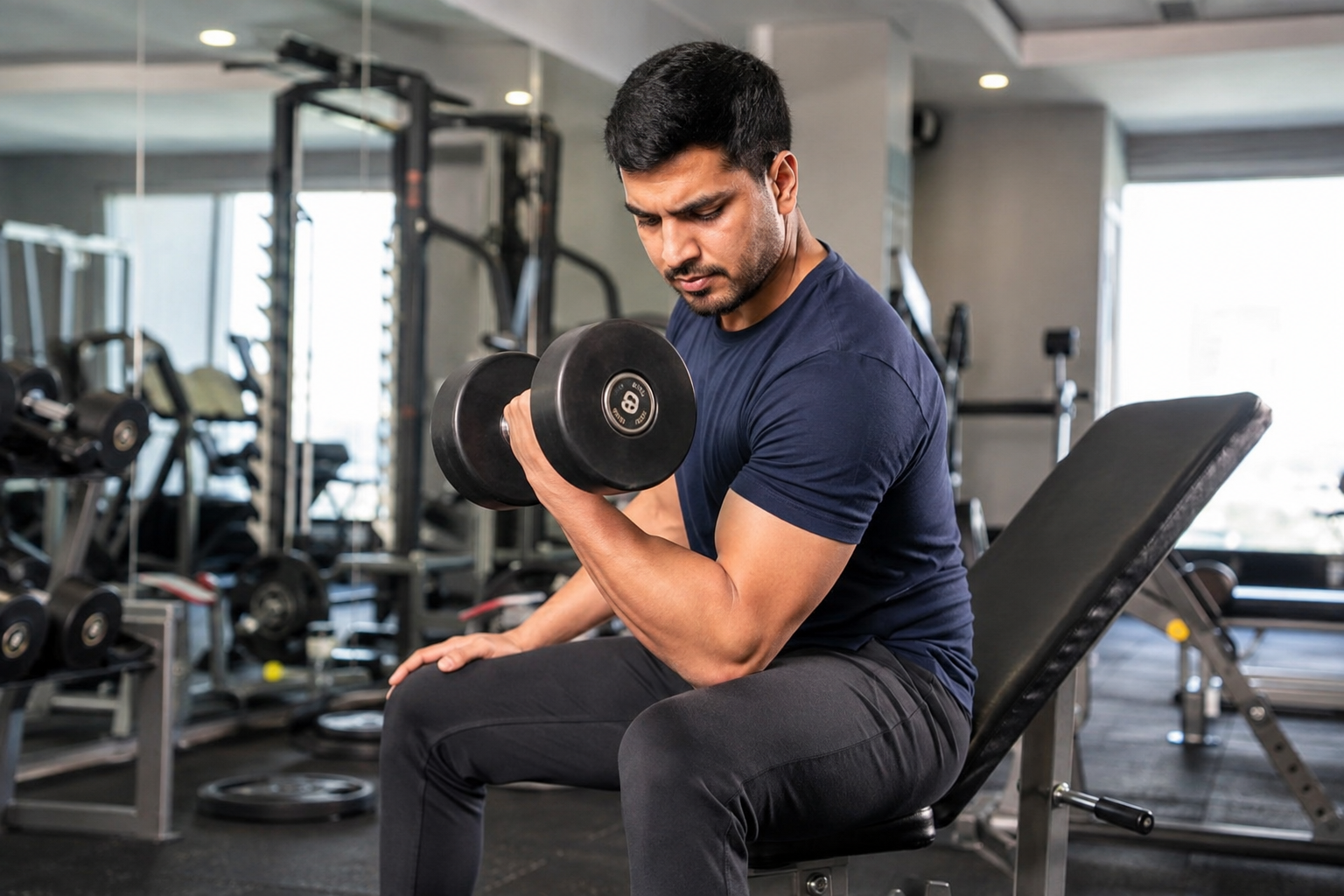
Strength training is one of the most effective forms of exercise for improving overall health and physical fitness. Many people think strength training is only for athletes or people who want to build large muscles, but this type of exercise can benefit almost everyone. Simple exercises such as squats, lunges, push ups, resistance band exercises, and weight lifting can help the body become stronger, healthier, and more active.
Regular strength training can support healthy muscles, stronger bones, better balance, improved metabolism, and greater physical independence. It can also support mental wellness and make everyday activities easier. Whether you are a beginner or already active, adding strength training to your routine can be an important step toward a healthier lifestyle.
What Is Strength Training?
Strength training is a type of physical activity that makes the muscles work against resistance. The resistance can come from free weights, weight machines, resistance bands, or even your own body weight. The goal is to gradually make the muscles stronger and more capable.
Strength training does not always require a gym. Bodyweight exercises can be performed at home with little or no equipment. As fitness improves, people can slowly increase the resistance or number of repetitions. The most important factor is consistency.
Builds Stronger Muscles
One of the main benefits of strength training is improved muscle strength. When muscles regularly work against resistance, they adapt and become stronger over time. Strong muscles help the body perform everyday activities more easily.
Activities such as carrying groceries, climbing stairs, lifting objects, getting out of a chair, and playing with children can become easier when the muscles are strong. Maintaining muscle strength is especially important as people get older because muscle mass naturally tends to decrease with age.
A consistent strength training routine can help support muscle function and physical independence throughout life.
Supports Healthy Bones
Strength training can also benefit bone health. Resistance exercises place healthy stress on the bones, which can encourage the body to maintain strong bone tissue. This is particularly important for adults because bone strength can decline with age.
Exercises such as squats, lunges, and controlled weight lifting can provide resistance that supports the bones and muscles. Maintaining strong bones is an important part of healthy aging and can help support mobility and physical confidence.
Helps With Weight Management
Strength training can play an important role in healthy weight management. Muscle tissue requires energy to maintain, so having more muscle can contribute to the body’s overall energy needs.
Strength training also uses energy during exercise. When combined with a balanced diet and regular movement, it can support a healthy body weight. Instead of focusing only on the number on the scale, strength training encourages people to build a stronger and more functional body.
For people trying to improve their body composition, combining strength exercises with regular cardiovascular activity can be a useful approach.
Improves Metabolism
A healthy metabolism helps the body convert food into energy and perform essential functions. Strength training can support metabolism by helping maintain and develop muscle tissue.
Regular exercise also encourages people to become more physically active throughout the day. Someone who feels stronger may find it easier to walk, perform household activities, use stairs, and participate in recreational activities.
This combination of stronger muscles and increased daily movement can contribute to better overall fitness.
Supports Heart Health
Strength training is often associated with muscles, but its benefits can extend to cardiovascular health as well. Regular physical activity is an important part of a heart healthy lifestyle.
Strength exercises can increase heart rate and require the body to work harder. When strength training is combined with activities such as walking, cycling, swimming, or other aerobic exercises, it can contribute to a well rounded fitness routine.
People with existing health concerns should speak with a qualified healthcare professional before starting a new exercise program.
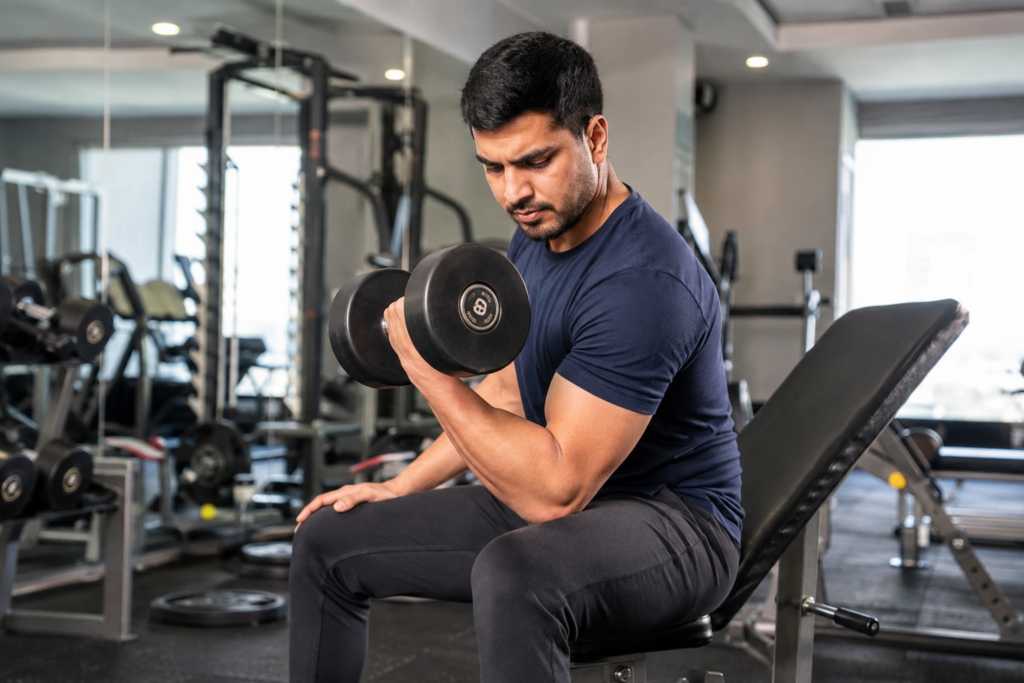
Improves Balance and Stability
Good balance becomes increasingly important with age. Strong muscles in the legs, hips, and core help the body remain stable during movement.
Exercises such as squats, step ups, lunges, and controlled core exercises can improve strength and coordination. Better stability can make everyday movement feel more comfortable and confident.
For older adults, maintaining strength and balance is especially valuable because it supports independence and safe movement.
Supports Joint Health
Strong muscles can help support the joints by providing stability during movement. When the muscles around the knees, hips, shoulders, and other joints are stronger, they can contribute to better movement control.
Strength training should always be performed with proper technique. Starting with manageable resistance and gradually increasing the challenge can help people develop strength without placing unnecessary stress on the body.
Controlled movements are generally more useful than rushing through exercises with poor form.
Improves Posture
Modern lifestyles often involve long periods of sitting, especially while working on computers or using mobile devices. Weak muscles can make it harder to maintain good posture.
Strength training can help develop the muscles responsible for supporting the spine, shoulders, hips, and core. Exercises that strengthen the back and abdominal muscles may help people maintain better body positioning during daily activities.
Good posture is not only about appearance. It can also support comfortable and efficient movement.
Supports Mental Wellness
The benefits of strength training are not limited to physical health. Exercise can also support mental wellness. Physical activity can help people manage everyday stress and improve their overall mood.
Completing a workout can create a sense of achievement and confidence. Over time, becoming stronger may also improve self confidence and motivation.
Strength training can become a healthy way to take a break from daily responsibilities and focus on personal wellbeing. Even a short workout can provide a positive change in routine.
May Improve Sleep Quality
Regular physical activity is often associated with better sleep habits. Strength training can help the body use energy and may contribute to a more consistent sleep routine.
People who exercise regularly may find it easier to establish healthy daily habits, including regular sleeping and waking times. However, exercising very intensely immediately before bedtime may not feel comfortable for everyone.
Finding a workout schedule that fits your lifestyle is usually more important than following a perfect routine.
Increases Everyday Energy
It may seem surprising that exercise can make people feel more energetic, but regular physical activity can support energy levels. Stronger muscles make physical tasks less demanding, while improved fitness can make daily movement easier.
People who regularly perform strength training may feel more capable of completing household tasks, walking longer distances, and participating in activities they enjoy.
The key is to start at an appropriate level and gradually build strength rather than doing too much too quickly.
Supports Healthy Aging
Strength training is especially valuable for healthy aging. As people grow older, maintaining muscle strength, balance, and bone health becomes increasingly important.
Regular resistance exercise can help older adults remain active and independent. Strong legs can support walking and climbing stairs, while upper body strength can make daily tasks easier.
Healthy aging is not simply about living longer. It is also about maintaining the ability to enjoy everyday life and remain physically active.
How to Start Strength Training Safely
Beginners should start with simple exercises and manageable resistance. Bodyweight exercises can be a good starting point because they allow people to learn movement patterns before adding heavier resistance.
A beginner routine might include squats, wall push ups, glute bridges, light resistance band exercises, and basic core movements. Performing exercises with proper form is more important than using heavy weights.
Rest is also an important part of strength training. Muscles need time to recover after challenging workouts. Gradually increasing resistance, repetitions, or training difficulty can help the body adapt.
Anyone with an injury, medical condition, or specific health concern should consider getting professional guidance before beginning a new exercise program.
Final Thoughts
The benefits of strength training for overall health go far beyond building bigger muscles. Regular resistance exercise can support stronger muscles and bones, healthy weight management, better balance, improved posture, joint stability, and healthy aging. It can also contribute to better mood, improved confidence, and a more active lifestyle.
Strength training does not have to be complicated. Simple exercises performed consistently can make a meaningful difference. Whether you train at home, outdoors, or in a gym, the most important goal is to choose activities that you can perform safely and maintain over time.
Making strength training part of a balanced fitness routine can help you build a stronger body and support better overall health for years to come.