Aging is a natural part of life, but getting older does not mean you have to give up strength, flexibility, or independence. Many people notice changes in their muscles, joints, balance, and energy as they age. The good news is that simple daily habits can help maintain physical strength and mobility for many years. You do not always need intense workouts or complicated fitness programs. Consistent movement, healthy eating, proper rest, and simple strength exercises can make a meaningful difference.
Maintaining strength and mobility as you age is important because it supports everyday activities. Walking, climbing stairs, carrying groceries, getting out of a chair, and reaching for objects all require a combination of muscle strength, balance, and flexibility. Building healthy habits early and continuing them throughout life can help you stay active and confident.
Stay Physically Active Every Day
One of the simplest habits for maintaining strength and mobility as you age is staying physically active. Regular movement keeps your muscles working and helps prevent stiffness. You do not have to spend hours at a gym. Walking, gardening, cleaning the house, cycling, swimming, and other enjoyable activities can all contribute to an active lifestyle.
Try to avoid sitting for very long periods. If you work at a desk or spend much of the day sitting, get up regularly and walk around for a few minutes. Small amounts of movement throughout the day can add up and help keep your body flexible.
Make Walking Part of Your Routine
Walking is one of the easiest forms of exercise for people of different ages and fitness levels. Regular walking can support leg strength, balance, cardiovascular health, and overall mobility. It can also help you maintain a healthy body weight, which may reduce unnecessary stress on the joints.
Start with a comfortable walking routine and gradually increase your distance or pace as your fitness improves. You can walk around your neighborhood, in a park, at a shopping center, or even inside your home when the weather is not suitable for outdoor activity.
Consistency is more important than walking extremely long distances. A regular walk each day can become an easy and enjoyable habit that supports healthy aging.
Include Strength Training
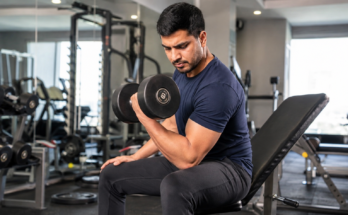
Muscle strength naturally tends to decline with age when muscles are not regularly challenged. Strength training can help slow this process and support better physical function.
You can perform simple exercises using your body weight or light resistance. Chair squats, wall push ups, standing leg raises, and exercises with resistance bands can be useful options. If you are new to strength training, start slowly and focus on proper movement rather than lifting heavy weights.
Strength training can help make everyday tasks easier. Stronger legs can help with climbing stairs and standing from a chair, while stronger upper body muscles can make lifting and carrying objects easier.
Practice Balance Exercises
Balance becomes increasingly important as people get older. Good balance can help you move more confidently and may reduce the chance of falls. Simple balance exercises can be included in your daily routine.
For example, practice standing on one foot while holding a sturdy chair or countertop for support. You can also try walking slowly in a straight line or performing controlled heel raises.
Safety should always come first. If you have difficulty with balance, perform these exercises near something stable that you can hold when needed.
Keep Your Joints Moving
Mobility depends partly on how well your joints can move. Spending too much time in one position can make the body feel stiff. Gentle movement throughout the day can help keep joints active.
Simple stretches for the shoulders, hips, legs, and back can be useful. Try gentle movements rather than forcing your body into uncomfortable positions. Stretching after a short walk or during a break from sitting can become an easy daily habit.
Regular mobility exercises may help you feel more comfortable while performing everyday activities. The goal is not to become extremely flexible but to maintain a useful range of motion.

Maintain a Healthy Body Weight
Maintaining a healthy body weight can also support strength and mobility as you age. Extra body weight may place additional stress on the knees, hips, ankles, and other joints. A balanced lifestyle that includes regular physical activity and nutritious food can help support a healthy weight.
Avoid extreme diets that are difficult to maintain. Instead, focus on eating a variety of nutritious foods and keeping your activity level consistent. Healthy weight management is about long term habits rather than quick changes.
Eat Enough Protein
Nutrition plays an important role in maintaining muscle strength. Protein provides amino acids that the body uses to maintain and repair muscle tissue.
Good protein sources include eggs, fish, chicken, beans, lentils, yogurt, milk, nuts, and seeds. Try to include a protein source in your regular meals while also eating plenty of vegetables, fruits, whole grains, and other nutrient rich foods.
If you have specific dietary needs or medical conditions, a qualified healthcare professional can help you determine an appropriate eating pattern.
Drink Enough Water
Hydration is another simple habit that can support physical performance. Water is important for many functions throughout the body. When you do not drink enough fluids, you may feel tired and less energetic.
Make water a regular part of your day. Keep a bottle nearby if that helps you remember to drink. Your fluid needs can vary depending on your activity, environment, age, and health conditions.
Get Quality Sleep
Rest is just as important as exercise when it comes to healthy aging. During sleep, the body has an opportunity to recover from daily activities. Poor sleep can leave you feeling tired and may make it harder to stay active.
Try to maintain a consistent sleep schedule. Create a comfortable sleeping environment and reduce unnecessary distractions before bedtime. Regular physical activity during the day may also help support better sleep.
Good sleep can make it easier to maintain an active lifestyle because you are more likely to have the energy and motivation to move.
Improve Your Daily Posture
Good posture can make movement more comfortable and efficient. Spending long periods sitting with poor posture may contribute to stiffness and discomfort.
When sitting, try to keep your back supported and your feet comfortably positioned. When standing, avoid staying in one position for too long. Change positions regularly and include gentle movement breaks throughout the day.
You do not need to maintain a perfectly rigid posture. The most important habit is to avoid remaining in the same position for extended periods.
Choose Activities You Enjoy
One of the best ways to maintain strength and mobility as you age is to choose activities that you actually enjoy. Exercise becomes easier to continue when it feels like a normal part of your lifestyle rather than a chore.
You might enjoy dancing, swimming, walking with friends, gardening, cycling, yoga, or simple home exercises. Different activities work different parts of the body, so having variety can make your routine more interesting.
Enjoyable activities are also easier to maintain over the long term. Consistency is one of the most important factors in supporting healthy aging.
Increase Activity Gradually
If you have been inactive for a long time, avoid trying to do too much too quickly. Starting with a demanding workout can lead to excessive soreness or injury and may make you lose motivation.
Begin with manageable activities and gradually increase the amount of exercise. Give your body time to adjust. If an exercise causes significant pain, stop and seek appropriate professional guidance.
The goal is steady progress rather than perfection.
Pay Attention to Your Body
Listening to your body is an important part of maintaining strength and mobility. Normal muscle tiredness after activity can happen, but persistent or severe pain should not be ignored.
If you notice new weakness, significant joint pain, repeated falls, dizziness, or difficulty performing normal activities, speak with a healthcare professional. They can help identify possible causes and recommend appropriate exercises or treatment.
Make Movement a Lifestyle
Maintaining strength and mobility as you age does not have to depend on a complicated fitness routine. Small habits practiced consistently can have a powerful effect on your physical abilities over time.
Walk regularly, perform simple strength exercises, practice balance, stretch gently, eat nutritious foods, stay hydrated, sleep well, and avoid sitting for long periods. These habits can help support stronger muscles, healthier movement, and greater independence.
Healthy aging is not about trying to stop the natural aging process. It is about giving your body the support it needs to remain active and capable. By making movement a normal part of everyday life, you can build habits that support strength, flexibility, balance, and mobility for years to come.
The most important step is simply to start. Choose one or two healthy habits that feel realistic and make them part of your daily routine. Over time, those small actions can become a strong foundation for maintaining strength and mobility as you age.