A strong immune system plays an important role in protecting the body from infections and helping us stay healthy. While no single food can prevent every illness, eating a balanced diet filled with nutritious foods can give the immune system the vitamins, minerals, antioxidants, and other nutrients it needs to work properly. Healthy foods that support strong immunity can also improve overall health, energy, digestion, and daily well being.
Many people focus on their diet only when they feel sick, but healthy eating is more effective when it becomes part of a regular lifestyle. Fresh fruits, vegetables, whole grains, beans, nuts, seeds, lean proteins, and healthy fats can all contribute to better immune health. Drinking enough water and maintaining healthy daily habits are also important.
Why Nutrition Matters for the Immune System
The immune system is a complex network that includes cells, tissues, organs, and proteins. It works continuously to identify and respond to harmful substances and infections. For this system to function properly, the body needs a steady supply of essential nutrients.
Poor eating habits can make it harder for the body to get the nutrients it needs. A diet based mostly on highly processed foods may provide plenty of calories but fewer vitamins, minerals, and other beneficial nutrients. In contrast, a varied diet provides the building blocks needed for normal immune function.
This is why choosing healthy foods for immunity should be part of everyday life rather than something done only during cold and flu season.
Citrus Fruits for Vitamin C
Citrus fruits are among the most popular foods associated with immune health. Oranges, lemons, grapefruits, mandarins, and limes contain vitamin C, an important nutrient that supports normal immune function.
Vitamin C also acts as an antioxidant, helping protect cells from oxidative stress. Adding citrus fruits to breakfast, snacks, or meals can be an easy way to increase fruit intake.
You can enjoy an orange as a snack, add lemon to water, or include grapefruit and other citrus fruits in a fresh fruit bowl. Eating whole fruit also provides fiber, which supports digestive health.
Berries for Antioxidants
Berries are another excellent choice when looking for healthy foods that support strong immunity. Strawberries, blueberries, blackberries, and raspberries contain vitamins, minerals, fiber, and plant compounds with antioxidant properties.
Antioxidants help protect cells from damage caused by unstable molecules in the body. Berries can be added to oatmeal, yogurt, smoothies, or eaten alone as a simple snack.
Choosing a variety of colorful fruits is useful because different fruits contain different combinations of beneficial plant compounds.
Leafy Green Vegetables
Leafy green vegetables such as spinach, kale, lettuce, and other greens are rich in important nutrients. They can provide folate, vitamin C, vitamin K, beta carotene, fiber, and other beneficial compounds.
Including vegetables in daily meals can support overall nutrition and help create a balanced diet. Leafy greens can be added to salads, soups, sandwiches, omelets, and cooked dishes.
The more variety you include in your vegetable choices, the easier it becomes to obtain a broad range of nutrients.
Garlic and Onions
Garlic and onions have been used in traditional cooking for centuries and are valued for their flavor as well as their nutritional qualities. Garlic contains sulfur containing compounds and other plant compounds that have been studied for their potential health benefits.
Onions also provide antioxidants and plant compounds. Adding garlic and onions to meals can make healthy foods more enjoyable while increasing the variety of plant foods in your diet.
They can be used in soups, vegetable dishes, sauces, rice meals, and many other recipes.
Yogurt and Fermented Foods
A healthy digestive system is closely connected with normal immune function. Yogurt containing live cultures can be a useful addition to a balanced diet because it provides protein and may contain beneficial microorganisms.
Other fermented foods can also provide helpful bacteria depending on how they are produced. Examples include certain types of kefir, fermented vegetables, and other traditional fermented foods.
When choosing yogurt, it is helpful to check the nutrition label and consider options with less added sugar. Pairing plain yogurt with berries, nuts, or seeds can create a nutritious snack.
Nuts and Seeds
Nuts and seeds are small foods that can provide a wide range of nutrients. Almonds, walnuts, sunflower seeds, pumpkin seeds, chia seeds, and flaxseeds can contribute protein, healthy fats, fiber, vitamins, minerals, and antioxidant compounds.
Some nuts and seeds also provide nutrients such as vitamin E, magnesium, zinc, and selenium, depending on the type. These nutrients are involved in many normal body processes, including immune function.
A small serving can be added to oatmeal, salads, yogurt, or smoothies. Since nuts and seeds are calorie dense, reasonable portions are important.
Fish Rich in Healthy Fats
Fatty fish such as salmon, sardines, mackerel, and trout can provide omega 3 fatty acids along with high quality protein and several vitamins and minerals.
Healthy fats are important for the body and play roles in many biological processes. Including fish as part of a balanced eating pattern can support overall health.
For people who eat fish, choosing a variety of seafood can add valuable nutrients to the diet. Fish can be grilled, baked, steamed, or added to healthy salads and meals.
Eggs and Lean Protein
Protein is essential for building and maintaining body tissues and supporting many important functions. Eggs provide high quality protein along with several vitamins and minerals.
Other healthy protein choices include chicken, beans, lentils, peas, and lean meats. Plant based protein sources can also provide fiber and other nutrients.
Eating enough protein throughout the day can help support a balanced diet. Combining protein with vegetables, whole grains, and healthy fats can create satisfying and nutritious meals.
Whole Grains
Whole grains such as oats, brown rice, whole wheat, barley, and quinoa contain fiber and a variety of nutrients. Fiber is particularly important for digestive health and can support a healthy gut environment.
Replacing some refined grains with whole grains is a simple way to improve the nutritional quality of meals. For example, you can choose oatmeal for breakfast, brown rice with vegetables for lunch, or whole grain bread for a sandwich.
A diet that includes whole grains, fruits, vegetables, and legumes can provide a wide variety of nutrients that support overall health.
Beans and Lentils
Beans and lentils are affordable and nutritious foods that can be included in many different meals. They provide plant based protein, fiber, folate, iron, magnesium, and other nutrients.
Kidney beans, chickpeas, black beans, peas, and lentils can be added to soups, salads, rice dishes, curries, and vegetable meals.
Their combination of protein and fiber can also help make meals more filling. Regularly including legumes can be an easy way to increase the variety of plant foods in your diet.
Foods Rich in Zinc
Zinc is an essential mineral involved in normal immune system function. Foods that provide zinc include meat, seafood, eggs, dairy products, beans, nuts, and seeds.
Oysters are particularly rich in zinc, while plant based options such as pumpkin seeds, chickpeas, and beans can also contribute zinc to the diet.
Eating a varied diet makes it easier to obtain zinc and other important nutrients naturally. Supplements should not automatically replace healthy foods because excessive intake of some nutrients can cause problems.
The Importance of Drinking Enough Water
Water is not a vitamin or mineral, but proper hydration is an important part of overall health. The body needs water for many essential processes, including digestion, circulation, temperature regulation, and normal cellular function.
Drinking water regularly throughout the day can help maintain healthy hydration. Water needs can vary depending on activity level, climate, age, diet, and other factors.
Instead of relying mainly on sugary drinks, choosing water more often can be a simple healthy habit.
Build a Balanced Immune Supporting Diet
Eating one healthy food occasionally is not enough to create a strong immune system. The overall pattern of your diet matters more. Try to include different colors and types of fruits and vegetables, whole grains, protein sources, healthy fats, and plenty of fluids.
A simple meal might include grilled chicken, brown rice, cooked vegetables, and a fresh salad. Another meal could include lentils, whole grain bread, yogurt, and fruit.
The goal is not perfection. The goal is to make nutritious choices consistently.
Foods to Limit for Better Overall Health
Along with adding nutritious foods, it can be helpful to limit foods that are high in added sugar, excessive salt, and unhealthy fats. Highly processed foods can sometimes be convenient, but eating them too frequently may make it harder to maintain a balanced diet.
This does not mean every processed food needs to be avoided. A healthy diet can include occasional treats. What matters most is the overall balance and quality of the foods you eat regularly.
Final Thoughts
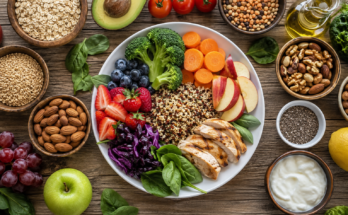
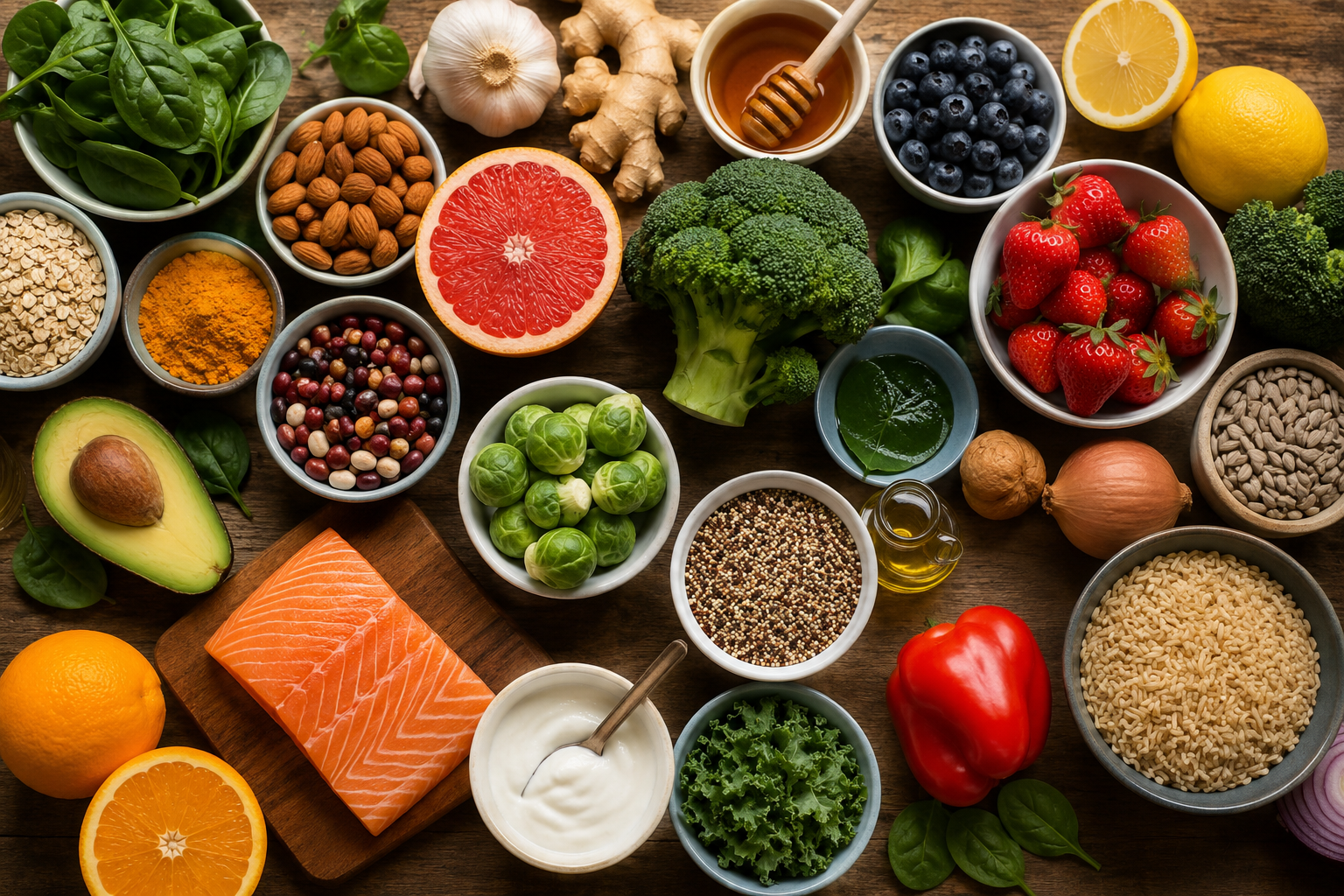
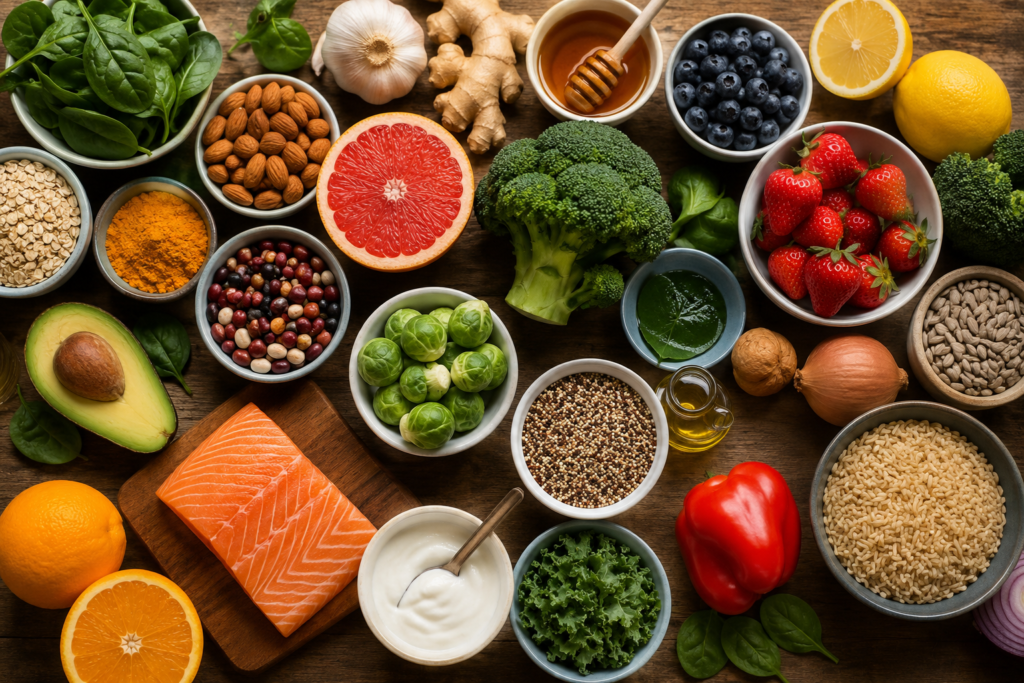
Healthy foods that support strong immunity are not complicated or difficult to find. Fruits, vegetables, berries, leafy greens, garlic, yogurt, nuts, seeds, fish, eggs, whole grains, beans, and lentils can all contribute valuable nutrients to a balanced diet.
A healthy immune system depends on many factors, including nutrition, regular physical activity, adequate sleep, hydration, stress management, and good hygiene. Food is an important part of the picture, but it is only one part.
By making nutritious foods a regular part of your daily meals, you can support your overall health and provide your body with the nutrients it needs for normal immune function. Small improvements made consistently can become lasting healthy habits that benefit your body for years to come.