Good health is one of the most important parts of a happy and active life. Many diseases can affect people at different stages of life, but adopting healthy habits may help lower the risk of several common health problems. Simple daily choices related to food, exercise, sleep, hygiene, stress management, and regular medical care can make a meaningful difference over time.
Healthy habits do not mean making extreme changes or following a perfect lifestyle. Small improvements that become part of your daily routine can support the body and help maintain overall health. This article explains some of the most useful healthy habits that may reduce disease risk and support a healthier lifestyle.
Eat a Balanced and Nutritious Diet
A balanced diet is one of the most important healthy habits for disease prevention. The body needs different nutrients to work properly, including vitamins, minerals, protein, healthy fats, carbohydrates, and fiber.
Try to include a variety of fruits, vegetables, whole grains, beans, nuts, seeds, and healthy sources of protein in your meals. Fruits and vegetables provide important nutrients and antioxidants that support normal body functions. Foods rich in fiber can also support healthy digestion and may help maintain healthy cholesterol and blood sugar levels.
It is also helpful to limit excessive amounts of added sugar, highly processed foods, and foods that are very high in unhealthy fats or salt. Making healthier food choices regularly can support heart health, digestive health, and healthy body weight.
Stay Physically Active
Regular physical activity is another important healthy habit that may reduce disease risk. Exercise helps keep the muscles and bones strong while supporting cardiovascular health and physical fitness.
You do not always need to spend hours at the gym. Walking, cycling, swimming, dancing, stretching, gardening, and other enjoyable activities can contribute to an active lifestyle. Try to avoid sitting for very long periods and look for simple opportunities to move throughout the day.
Regular exercise may help support a healthy weight and can also improve energy levels and sleep quality. Choosing an activity that you enjoy makes it easier to continue exercising as part of your daily routine.
Maintain a Healthy Body Weight
Maintaining a healthy body weight can be an important part of disease prevention. Excess body weight may increase the risk of several health problems, including type 2 diabetes, heart disease, high blood pressure, and certain other conditions.
Healthy weight management should focus on sustainable lifestyle habits rather than quick solutions. Eating nutritious foods, staying physically active, getting enough sleep, and controlling portions can all support healthy weight management.
Every person has different nutritional and physical needs, so healthy weight goals can vary. A healthcare professional can provide personalized guidance when needed.
Get Enough Quality Sleep
Sleep is essential for physical and mental well being. During sleep, the body gets time to rest and recover. Poor sleep habits over a long period may affect mood, concentration, energy, and overall health.
Most adults need around seven to nine hours of sleep each night, although individual needs can vary. Going to bed and waking up at similar times each day can help create a consistent sleep routine.
A comfortable bedroom, limited screen use before bedtime, and avoiding heavy meals close to bedtime may also support better sleep. If sleep problems continue regularly, speaking with a healthcare professional can be helpful.
Drink Enough Water
Staying properly hydrated is another simple healthy habit. Water supports many important functions in the body, including temperature regulation, digestion, circulation, and normal physical performance.
The amount of water a person needs can depend on factors such as activity level, weather, diet, and individual health needs. Drinking water regularly throughout the day and paying attention to signs of thirst can help support hydration.
Replacing sugary drinks with water can also reduce unnecessary sugar intake and support healthier eating habits.

Practice Good Personal Hygiene
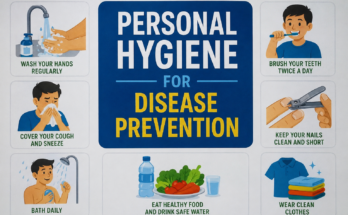
Good personal hygiene can help reduce the spread of germs and infections. Washing hands regularly with soap and water is one of the easiest ways to support disease prevention.
Hands should be washed before eating or preparing food and after using the bathroom, coughing, sneezing, or touching potentially contaminated surfaces. Regular bathing, dental care, clean clothing, and proper food hygiene are also important.
These simple habits can protect both individuals and people around them by reducing the chance of spreading certain infections.
Avoid Smoking and Limit Harmful Substances
Avoiding tobacco is one of the most important choices for protecting long term health. Smoking can damage many parts of the body and is strongly associated with serious diseases.
People who smoke can benefit from seeking professional support to quit. Avoiding secondhand smoke is also important because exposure can affect health.
It is also wise to avoid unnecessary exposure to harmful substances and to follow safety instructions when using household chemicals or other potentially dangerous products.
Manage Stress in Healthy Ways
Stress is a normal part of life, but constant or unmanaged stress can affect overall well being. Finding healthy ways to manage stress can be an important part of a balanced lifestyle.
Walking, exercising, spending time with family, enjoying hobbies, practicing relaxation techniques, and maintaining social connections may help people handle everyday stress.
Taking short breaks during busy days can also provide an opportunity to relax and recharge. If stress becomes overwhelming or difficult to manage, professional support may be useful.
Get Regular Health Checkups
Regular health checkups can help identify potential health problems early. Some conditions may develop without obvious symptoms, so routine medical care can provide an opportunity to monitor important aspects of health.
Depending on age, personal risk factors, and medical history, a healthcare professional may recommend different screenings, tests, or vaccinations.
Keeping track of health appointments and following professional medical advice can support early detection and disease prevention.
Protect Your Heart Health
Heart health is an important part of overall health. Several daily habits can support cardiovascular wellness. Eating a balanced diet, staying active, maintaining a healthy weight, avoiding tobacco, getting enough sleep, and managing stress are all useful lifestyle choices.
It is also important to pay attention to factors such as blood pressure and cholesterol when recommended by a healthcare professional. Early awareness of health changes can make it easier to take appropriate action.
Build Strong Social Connections
Healthy relationships can contribute to emotional and overall well being. Spending time with family members, friends, coworkers, or community groups can provide social support and reduce feelings of isolation.
Positive social connections can encourage healthy behaviors and provide emotional support during difficult periods. Making time for meaningful conversations and shared activities can be a valuable part of a healthy lifestyle.
Keep Your Environment Clean
A clean living environment can support good hygiene and help reduce exposure to certain germs and irritants. Regularly cleaning frequently touched surfaces, keeping food preparation areas clean, and storing food properly are useful habits.
Good ventilation and avoiding unnecessary exposure to smoke or harmful chemicals can also contribute to a healthier environment.
Make Healthy Habits Consistent
The most effective healthy habits are usually the ones that can be maintained over time. Trying to change everything at once can feel difficult, so it may be better to start with one or two realistic goals.
For example, you could begin by taking a daily walk, adding more vegetables to meals, drinking more water, or creating a consistent bedtime routine. Once these habits become comfortable, additional healthy changes can be introduced.
Consistency is more important than perfection. Missing one workout or eating an unhealthy meal does not mean that your entire healthy lifestyle has failed. The goal is to return to healthy choices and continue moving forward.
Conclusion
Healthy habits can play an important role in reducing disease risk and supporting overall well being. Eating a balanced diet, staying physically active, maintaining a healthy weight, getting enough sleep, drinking enough water, practicing good hygiene, avoiding tobacco, managing stress, and receiving regular health checkups are all valuable parts of disease prevention.
Good health is built through everyday decisions. Small changes may seem simple, but when practiced consistently, they can support a stronger and healthier lifestyle. By making realistic healthy habits part of your daily routine, you can take positive steps toward protecting your health and improving your quality of life.