Good health is one of the most important parts of a happy and active life. Many common health problems can affect people because of unhealthy habits, poor diet, lack of physical activity, stress, poor hygiene, and not getting enough rest. The good news is that simple daily habits can help protect the body and reduce the risk of many health problems. Taking care of your health does not always require major changes. Small and consistent improvements in your daily routine can make a meaningful difference over time.
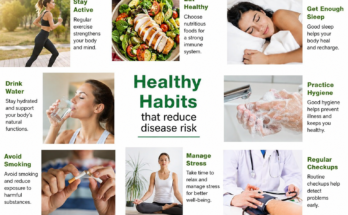
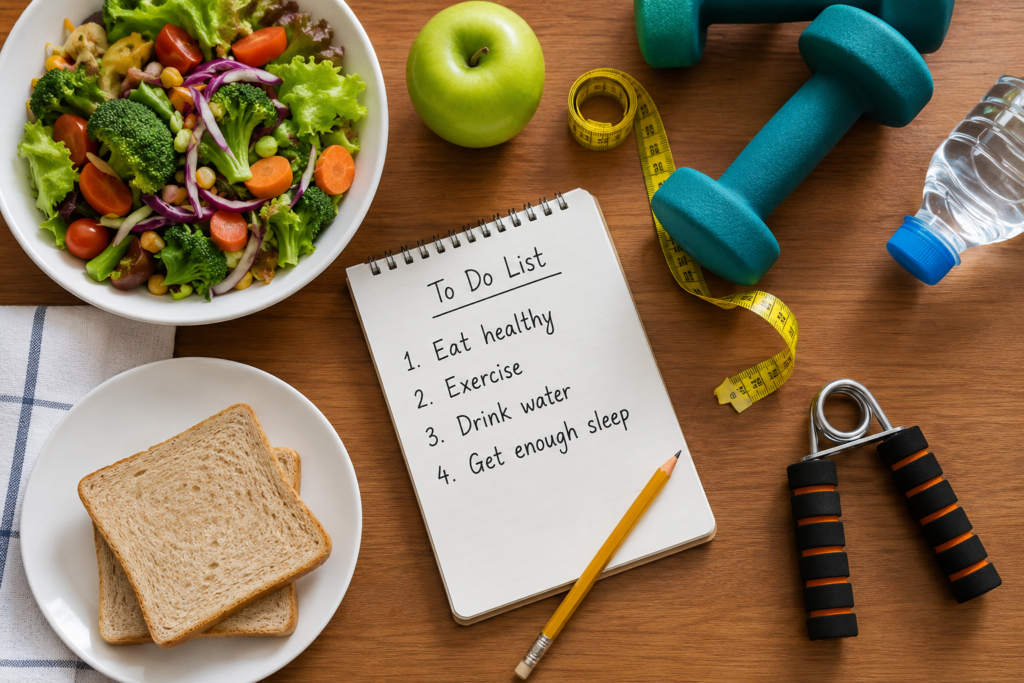
Preventing common health problems starts with understanding your body and making healthier choices. Eating nutritious foods, staying physically active, getting enough sleep, drinking enough water, maintaining personal hygiene, and managing stress are some of the easiest ways to support overall health. Regular medical checkups can also help identify potential problems before they become more serious.
Eat a Healthy and Balanced Diet
One of the best ways to prevent common health problems is to eat a balanced diet. The body needs different nutrients to function properly, including vitamins, minerals, protein, healthy fats, carbohydrates, and fiber.
Try to include fresh fruits, vegetables, whole grains, beans, eggs, fish, lean meat, nuts, and other nutritious foods in your meals. These foods can provide essential nutrients that support the immune system, heart, muscles, bones, and brain.
It is also helpful to reduce excessive consumption of sugary drinks, highly processed foods, and foods that contain too much salt or unhealthy fat. Eating healthy does not mean avoiding every food you enjoy. The goal is to create a balanced eating pattern that provides your body with the nutrients it needs.
Drink Enough Water
Staying properly hydrated is another simple way to support good health. Water helps the body perform many important functions, including regulating temperature, supporting digestion, transporting nutrients, and removing waste.
Make water your main drink throughout the day. Your need for water can change depending on weather, physical activity, age, and other factors. Drinking water regularly can also help you feel more energetic and support normal body functions.
Instead of drinking sugary beverages frequently, choose water whenever possible. Carrying a reusable water bottle can make it easier to remember to drink throughout the day.
Stay Physically Active
Regular physical activity can help prevent many common health problems. Exercise supports healthy muscles and bones and can help maintain a healthy body weight. It can also support heart health and improve overall fitness.
You do not need to spend hours in a gym to stay active. Walking, cycling, stretching, swimming, household activities, and simple home exercises can all contribute to an active lifestyle.
Try to avoid sitting for very long periods. Stand up, walk around, stretch, or perform a few simple movements during the day. Making physical activity part of your regular routine can be easier when you choose activities that you actually enjoy.
Get Enough Quality Sleep
Sleep plays an important role in physical and mental health. When you do not get enough sleep, you may feel tired, distracted, and less productive during the day. Poor sleep can also affect your ability to manage daily stress.
Create a regular sleep schedule and try to go to bed and wake up around the same time each day. Keep your bedroom comfortable, quiet, and suitable for sleep. Limiting excessive screen use before bedtime may also help you relax.
Adults generally need around seven or more hours of sleep each night, although individual needs can vary. If you regularly have difficulty sleeping or feel extremely tired despite getting enough time in bed, consider discussing the issue with a healthcare professional.
Maintain Good Personal Hygiene
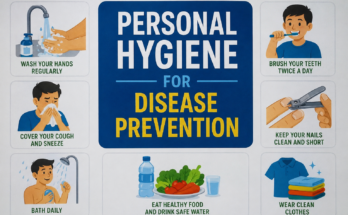
Good personal hygiene is an important part of preventing common infections and illnesses. Washing your hands regularly with soap and clean water can help reduce the spread of germs.
Wash your hands before eating, after using the bathroom, after coughing or sneezing, and after touching potentially dirty surfaces. Regular bathing, brushing your teeth, wearing clean clothes, and keeping your surroundings clean are also useful habits.
Dental hygiene deserves special attention. Brush your teeth regularly with fluoride toothpaste and clean between your teeth as recommended by dental professionals. Regular dental visits can also help identify problems early.
Manage Daily Stress
Stress is a normal part of life, but constant or excessive stress can affect your overall well being. Finding healthy ways to manage stress can help you feel calmer and more balanced.
Simple activities such as walking, reading, spending time with family, listening to music, practicing relaxation exercises, or enjoying a hobby can help you take a break from daily pressure.
Organizing your responsibilities can also reduce unnecessary stress. Try to focus on important tasks one at a time instead of trying to manage everything at once. If stress becomes difficult to manage or starts affecting your daily life, speaking with a qualified professional can be helpful.
Avoid Smoking and Limit Harmful Substances
Avoiding tobacco is one of the most important choices you can make for your health. Smoking can seriously affect the lungs and increase the risk of several chronic health conditions.
If you smoke, consider getting professional support to help you quit. Avoiding exposure to secondhand smoke is also beneficial.
It is equally important to use medicines only as directed and avoid taking unnecessary substances that can harm your health. If you have questions about a medicine or supplement, ask a healthcare professional or pharmacist.
Keep a Healthy Body Weight
Maintaining a healthy body weight can support overall health. Both excessive weight gain and being underweight can sometimes increase health risks.
A healthy weight is influenced by many factors, including diet, physical activity, sleep, genetics, and lifestyle. Instead of following extreme diets, focus on healthy eating habits and regular movement.
Small changes such as eating more vegetables, reducing sugary drinks, controlling portion sizes, and becoming more active can support healthier habits over time.
Protect Yourself From Infections
Preventing infections is another important part of maintaining good health. In addition to regular hand washing, avoid sharing personal items such as toothbrushes, towels, and razors.
Keep food stored and prepared safely. Wash fruits and vegetables before eating them and make sure foods are cooked and stored properly.
Vaccination is also an important way to protect against certain infectious diseases. Follow the vaccination recommendations that apply to your age and health situation and speak with a healthcare professional if you are unsure which vaccines you need.
Have Regular Health Checkups
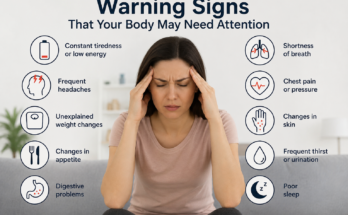
Regular health checkups can help identify certain health concerns early. Some health problems may develop without obvious symptoms, so waiting until you feel sick is not always the best approach.
Depending on your age, family history, and personal risk factors, a healthcare professional may recommend different screenings or tests. Regular dental and vision checks can also be useful.
Do not ignore unusual symptoms that continue or become worse. Seeking medical advice early can sometimes make treatment easier and prevent a small problem from becoming more serious.
Take Care of Your Mental Health
Mental health is an important part of overall health. Make time for relationships, hobbies, relaxation, and activities that bring you a sense of purpose.
Talking with trusted people can help when you are dealing with difficult emotions or stressful situations. It is also important to recognize when you need professional support. Seeking help is a positive step toward taking care of yourself.
Build Healthy Habits Slowly
Trying to change everything at once can feel overwhelming. A better approach is to introduce healthy habits gradually. For example, you could begin by drinking more water, walking for a short time each day, improving your breakfast, or creating a consistent bedtime.
Once one habit becomes easier, you can add another. Small changes may seem insignificant at first, but they can become powerful when practiced consistently.
Conclusion
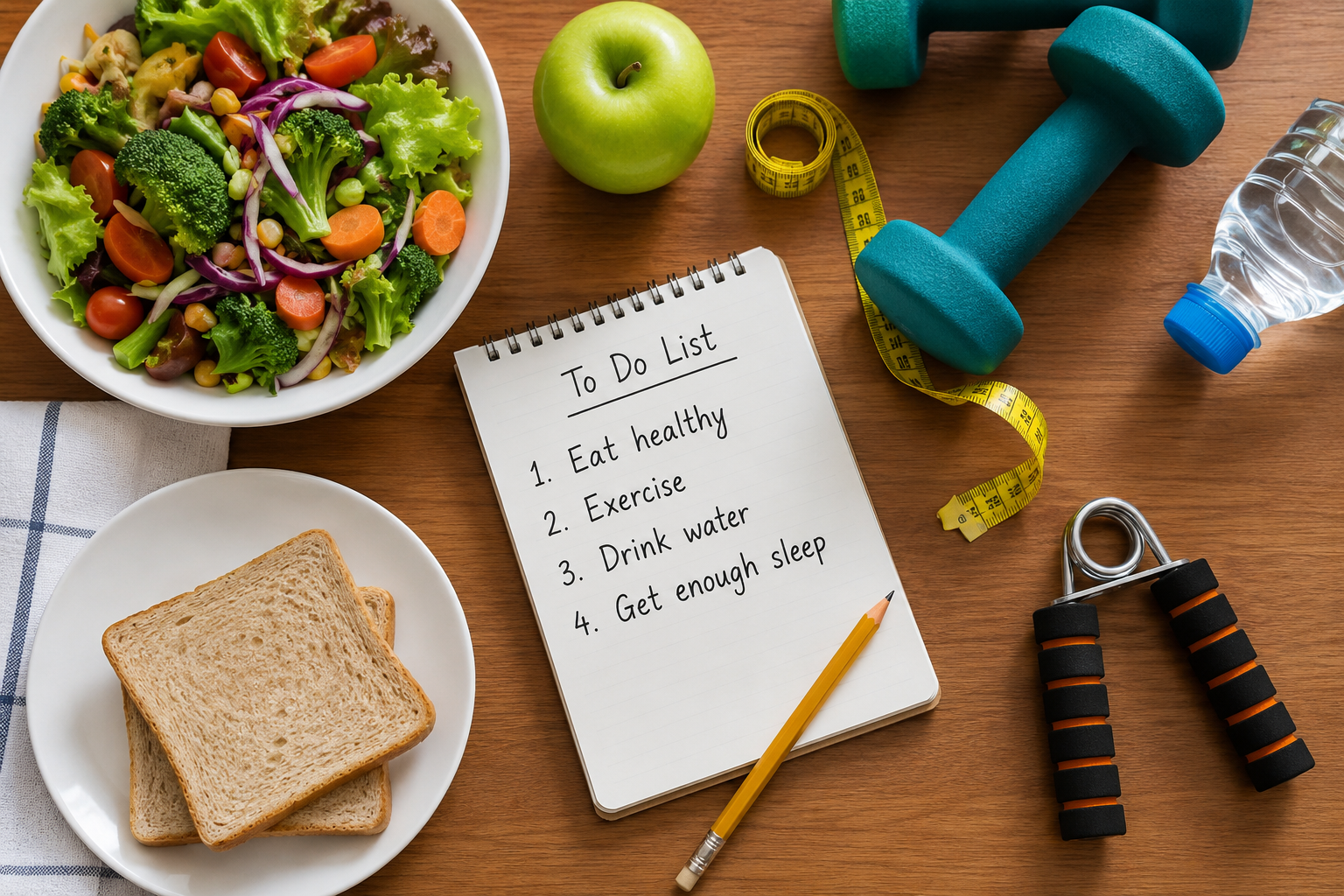
Preventing common health problems starts with simple everyday choices. A balanced diet, regular physical activity, enough sleep, good personal hygiene, proper hydration, stress management, and regular health checkups can all support better health.
You do not need a perfect lifestyle to take care of your body. What matters most is making practical choices and following them consistently. By building healthy habits today, you can support your physical and mental well being and create a healthier lifestyle for the future. When you take responsibility for your health and pay attention to your body’s needs, you give yourself a better opportunity to stay active, strong, and healthy.