Personal hygiene is one of the simplest and most effective ways to protect your health and prevent the spread of diseases. Good personal hygiene means taking regular care of your body, clothes, hands, teeth, hair, and other parts of your daily life. These simple habits help remove germs, bacteria, viruses, and other harmful substances that can cause illness. Personal hygiene is important for people of every age because it supports a healthy body and creates a safer environment for everyone.
Many diseases spread because harmful germs move from one person to another through hands, food, water, surfaces, coughing, sneezing, and close contact. Practicing good hygiene can reduce the chances of these germs entering the body. Developing healthy hygiene habits at home, school, work, and public places can make a major difference in disease prevention.
What Is Personal Hygiene?
Personal hygiene refers to the daily habits people follow to keep their bodies clean and healthy. These habits include washing hands regularly, taking baths or showers, brushing teeth, wearing clean clothes, keeping nails clean, washing hair, and maintaining cleanliness after using the toilet. Personal hygiene also includes handling food safely and covering the mouth and nose when coughing or sneezing.
Good hygiene is not only about looking clean. It is mainly about protecting the body from harmful microorganisms. When hygiene is neglected, germs can build up on the skin, hands, teeth, clothes, and other areas of the body. These germs can then spread to other people or enter the body and cause infections.
Importance of Handwashing
Handwashing is one of the most important personal hygiene habits for disease prevention. Our hands touch many objects throughout the day, including phones, door handles, tables, money, keyboards, and other surfaces. These surfaces may contain germs that can easily transfer to our hands.
Washing hands with soap and clean water helps remove many harmful germs. Hands should be washed before eating or preparing food, after using the toilet, after coughing or sneezing, after touching animals, and whenever they become visibly dirty.
Proper hand hygiene can help reduce the spread of common illnesses such as stomach infections, respiratory infections, and other contagious diseases. Teaching children the importance of handwashing from an early age can help them develop healthy habits that last throughout life.
Regular Bathing and Skin Care
Regular bathing or showering helps remove sweat, dirt, dead skin cells, and microorganisms from the body. Clean skin can reduce unpleasant odors and help maintain overall comfort. Bathing is especially important after physical activity because sweat and moisture can create an environment where some microorganisms can grow.
Keeping areas such as the armpits, feet, and other skin folds clean and dry is also important. People who exercise regularly or work in hot environments may need to pay extra attention to body cleanliness.
Personal hygiene also involves wearing clean clothes and changing undergarments regularly. Clean clothing helps reduce the buildup of sweat, dirt, and microorganisms against the skin.
Oral Hygiene and Disease Prevention
Oral hygiene is another important part of personal hygiene. Brushing your teeth regularly helps remove food particles and plaque that can contribute to tooth decay and gum problems. Cleaning between teeth can also help remove particles that a toothbrush may not reach.
Poor oral hygiene can lead to bad breath, cavities, gum disease, and other oral health problems. Maintaining a regular oral care routine and visiting a dental professional when necessary can support healthy teeth and gums.
A healthy mouth is an important part of overall health. For this reason, brushing teeth regularly, cleaning the tongue, and maintaining good dental habits should be part of every person’s daily routine.
Keeping Nails Clean
Nails can collect dirt and microorganisms, especially when they are long or not cleaned regularly. People often touch their face, mouth, food, and other objects without realizing it. Dirty nails can therefore become a way for germs to enter the body or spread to others.
Keeping fingernails trimmed and clean is a simple but useful hygiene habit. Children should also be encouraged to avoid biting their nails because this can transfer germs from the hands directly into the mouth.
Proper Coughing and Sneezing Habits
Respiratory illnesses can spread through droplets and particles released when an infected person coughs or sneezes. Good personal hygiene includes covering your mouth and nose when coughing or sneezing.
Using a tissue or coughing and sneezing into the inside of the elbow can help reduce the spread of germs. Used tissues should be thrown away properly, followed by handwashing.
These simple habits are especially important in crowded places such as schools, offices, public transportation, and healthcare facilities.
Personal Hygiene and Food Safety
Personal hygiene is closely connected to food safety. People who prepare food should wash their hands before handling food and after using the toilet, touching raw foods, or handling waste. Clean hands help prevent harmful microorganisms from being transferred to meals.
Kitchen surfaces, utensils, fruits, vegetables, and cooking equipment should also be kept clean. Raw and cooked foods should be handled carefully to reduce the risk of contamination.
Poor hygiene during food preparation can contribute to foodborne illnesses. Therefore, maintaining good personal hygiene is an important part of protecting families from preventable infections.
Clean Clothes and Personal Items
Wearing clean clothes is another important part of personal hygiene. Clothes can collect sweat, dirt, bacteria, and other substances throughout the day. Changing clothes regularly helps maintain cleanliness and personal comfort.
Personal items such as towels, toothbrushes, razors, combs, and other hygiene products should generally not be shared. Sharing these items can increase the chance of transferring microorganisms between people.
Keeping bedding and towels clean is also useful for maintaining a healthy living environment. Regular washing can help remove sweat, dirt, and microorganisms.
Personal Hygiene in Public Places
Maintaining personal hygiene becomes especially important in public places because many people share the same spaces and surfaces. Schools, offices, markets, buses, restaurants, and public facilities can provide opportunities for germs to spread.
People can help prevent disease by washing their hands regularly, avoiding unnecessary touching of the face, covering coughs and sneezes, and keeping personal belongings clean.
Good hygiene is not only a personal responsibility. It also protects family members, friends, coworkers, classmates, and other people in the community.
Personal Hygiene for Children
Children need special attention when learning about personal hygiene because they are still developing daily habits. Parents, teachers, and caregivers can teach children how to wash their hands properly, brush their teeth, bathe regularly, keep their nails clean, and cover their mouths when coughing.
Making hygiene routines simple and consistent can help children understand their importance. Parents can also explain that hygiene is not just about appearance but about preventing illness and protecting other people.
When children develop good hygiene habits early, these behaviors are more likely to become a normal part of their daily lives.
How Good Hygiene Supports a Healthy Lifestyle
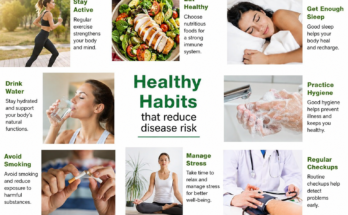
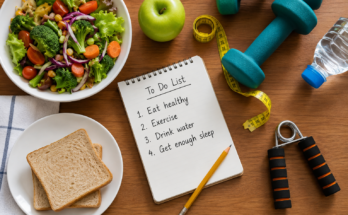
Personal hygiene works together with other healthy lifestyle habits. Eating nutritious foods, staying physically active, drinking enough water, getting adequate sleep, and managing stress can all contribute to overall health.
Good hygiene reduces exposure to harmful germs, while healthy lifestyle choices support the body’s ability to function properly. Together, these habits can help people maintain better health and reduce preventable health problems.
It is important to remember that hygiene cannot prevent every disease. However, consistent hygiene practices can significantly reduce exposure to many infectious organisms and help limit the spread of illnesses.
Simple Personal Hygiene Habits to Follow Every Day
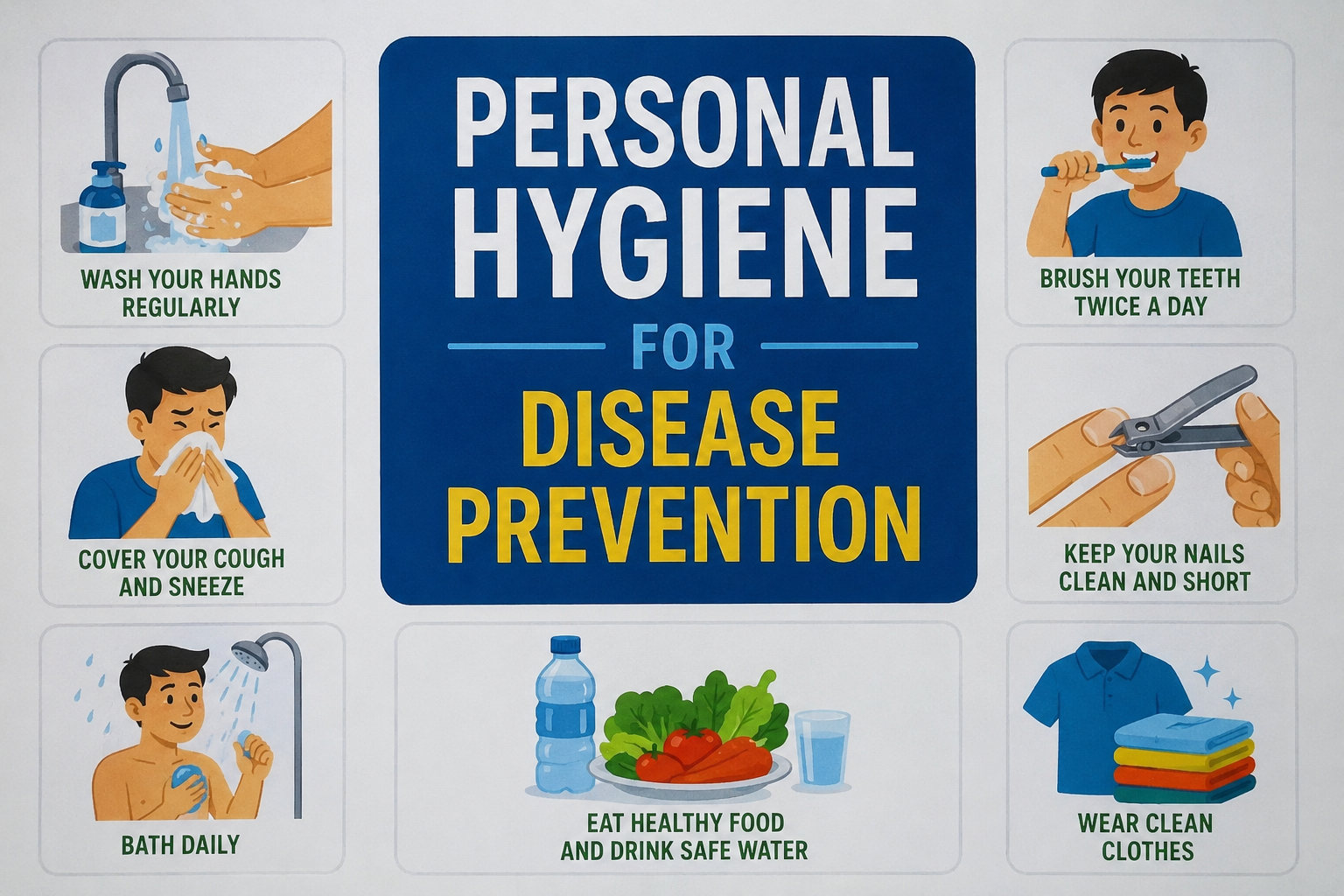
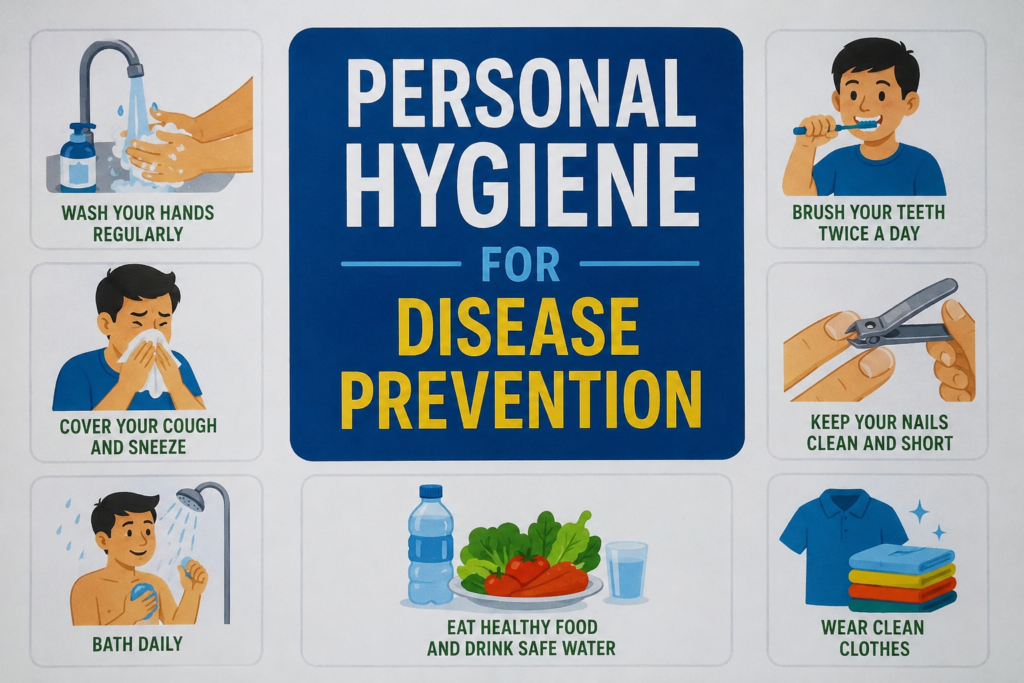
Developing a daily hygiene routine does not have to be difficult. Some basic habits include washing hands with soap and clean water, bathing regularly, brushing teeth twice a day, keeping nails clean and trimmed, wearing clean clothes, washing hair regularly, covering coughs and sneezes, and keeping personal items clean.
People should also pay attention to their surroundings. Keeping homes, bathrooms, kitchens, and frequently touched surfaces clean can support personal hygiene and disease prevention.
The most important thing is consistency. Hygiene habits are most effective when they become a regular part of everyday life rather than something practiced only when illness appears.
Conclusion
The importance of personal hygiene for disease prevention should never be underestimated. Simple habits such as handwashing, regular bathing, oral care, clean clothing, nail care, safe food handling, and proper coughing and sneezing practices can help reduce the spread of harmful germs.
Personal hygiene protects individuals while also helping protect families and communities. Good hygiene habits are easy to learn and can become a natural part of a healthy daily routine. By making personal hygiene a priority, people can take an important step toward preventing infections, maintaining cleanliness, and supporting better overall health.