Positive thinking can play an important role in supporting mental wellness and helping people handle everyday challenges with greater confidence. Life can bring stress, disappointment, uncertainty, and difficult situations, but the way we respond to these experiences can affect our emotional health. Positive thinking does not mean ignoring problems or pretending that everything is perfect. Instead, it means learning to look at situations in a balanced way and focusing on hope, solutions, personal strengths, and possibilities.
Mental wellness is an important part of overall health. When people take care of their thoughts and emotions, they may find it easier to manage stress, build healthy relationships, stay motivated, and enjoy daily life. Developing a positive mindset can be a simple but meaningful habit that supports emotional balance.
What Is Positive Thinking?
Positive thinking is the habit of approaching situations with a hopeful and realistic attitude. It involves recognizing difficulties while also looking for possible solutions and positive aspects. A person with positive thinking may experience the same problem as someone else but respond to it differently.
For example, losing an important opportunity can feel disappointing. Negative thinking may lead someone to believe that they will never succeed. Positive thinking can encourage a person to see the experience as a chance to learn, improve, and try again.
Positive thinking does not mean having a happy thought every moment. Everyone experiences sadness, anger, fear, and frustration. Healthy mental wellness allows these emotions to exist without allowing negative thoughts to control every part of life.
Positive Thinking and Mental Wellness
Positive thinking can support mental wellness by influencing the way people understand everyday experiences. When thoughts become more balanced and hopeful, emotional reactions may also become easier to manage.
A positive mindset can help people recognize that difficult moments are often temporary. Instead of thinking that one bad experience will define their entire future, they can remind themselves that circumstances can change.
This way of thinking may also encourage healthier decisions. When people believe that they can improve their situation, they may be more willing to take action instead of giving up.
Positive Thinking Can Help Manage Daily Stress
Stress is a normal part of life, but too much stress can affect emotional well being. Positive thinking can help people approach stressful situations with a calmer and more practical mindset.
When facing a stressful problem, it can be helpful to ask, “What can I do about this?” instead of repeatedly thinking, “Why is this happening to me?” The first question encourages problem solving, while the second may increase feelings of helplessness.
Simple positive thoughts can also create emotional space during difficult moments. Reminding yourself that you have handled challenges before can increase confidence and reduce unnecessary worry.
It Can Improve Self Confidence
The way people talk to themselves can have a strong influence on self confidence. Constantly criticizing yourself can make ordinary mistakes feel much bigger than they really are.
Positive thinking encourages supportive self talk. Instead of saying, “I cannot do anything correctly,” a person can say, “I made a mistake, but I can learn from it.” This small change can create a healthier relationship with yourself.
Building self confidence does not require believing that you are perfect. It means accepting your weaknesses while recognizing your abilities and potential for growth.
Positive Thinking Can Support Emotional Resilience
Emotional resilience means being able to recover and continue moving forward after difficult experiences. Positive thinking can support this quality by helping people focus on hope and possible solutions.
Life will not always go according to plan. People may experience failure, rejection, financial pressure, relationship problems, or other challenges. A positive mindset can help them understand that one difficult period does not necessarily determine their entire future.
People who develop emotional resilience may become better at adapting to change. They can acknowledge their feelings while still looking for ways to move forward.
It Can Encourage Healthy Relationships
Positive thinking can also affect relationships with family, friends, coworkers, and other people. When a person has a balanced mindset, they may be more likely to communicate calmly and listen to others.
Positive people often encourage others instead of focusing only on criticism. Simple acts such as appreciating someone, giving encouragement, or saying thank you can improve the quality of relationships.
Healthy relationships are important for mental wellness because people need connection and emotional support. Spending time with supportive people can reduce feelings of loneliness and remind us that we do not have to face every challenge alone.
Positive Thinking and Motivation
Motivation can become difficult when a person feels overwhelmed or discouraged. Positive thinking can help create a sense of purpose and encourage people to keep working toward their goals.
Instead of focusing only on how far away a goal seems, it can be useful to focus on small steps. Completing one task, learning one new skill, or making one healthy choice can create a feeling of progress.
Small achievements can build momentum. Over time, these positive experiences may increase confidence and encourage a person to continue.
Simple Ways to Develop Positive Thinking
Developing a positive mindset takes practice. It is not something that changes overnight. One simple habit is to notice negative thoughts and question whether they are completely true.
For example, if you think, “Everything is going wrong,” stop and identify what is actually happening. Perhaps one part of your day was difficult while other parts were fine. Looking at the complete situation can create a more balanced perspective.
Another helpful habit is practicing gratitude. Taking a few minutes each day to think about things you appreciate can shift attention toward positive experiences. Gratitude can involve something simple, such as a supportive friend, a good meal, a peaceful morning, or progress toward a personal goal.
Writing positive thoughts in a notebook can also help. Recording a few things that went well during the day can train your attention to notice positive experiences.
Focus on What You Can Control
Many negative thoughts come from worrying about things that are outside our control. Positive thinking becomes easier when we separate controllable problems from uncontrollable situations.
You may not be able to control another person’s behavior, the past, or every unexpected event. However, you can often control your response, your effort, your communication, and the choices you make next.
Focusing on these areas can reduce feelings of helplessness. It allows you to use your energy on actions that can actually make a difference.
Take Care of Your Body
Mental wellness is connected to physical health. Positive thinking works best when combined with healthy daily habits.
Getting enough sleep, eating nutritious foods, drinking enough water, staying physically active, and spending time outdoors can support overall well being. Exercise in particular can be a useful part of a healthy lifestyle because it can help people feel more energetic and relaxed.
A healthy routine can make it easier to maintain emotional balance. Even small improvements in daily habits can contribute to a stronger sense of well being.
Avoid Toxic Positivity
It is important to understand that positive thinking should not become toxic positivity. Toxic positivity happens when difficult emotions are dismissed with messages that suggest a person should always be happy.
Feeling sad, worried, angry, or disappointed is a normal part of being human. These emotions should not automatically be treated as signs of failure.
Healthy positive thinking allows people to recognize difficult emotions while maintaining hope. You can say, “This situation is difficult, but I can take one step at a time.” This approach accepts reality while still leaving room for improvement.
When Professional Support May Help
Positive thinking can be a useful part of mental wellness, but it is not a replacement for professional mental health support when someone is experiencing serious or ongoing emotional difficulties.
If sadness, anxiety, hopelessness, stress, or other emotional problems are interfering with daily life, speaking with a qualified mental health professional can be an important step. Professional support can provide guidance and healthy strategies based on individual needs.
There is no shame in asking for help. Mental wellness deserves the same attention and care as physical health.
Conclusion
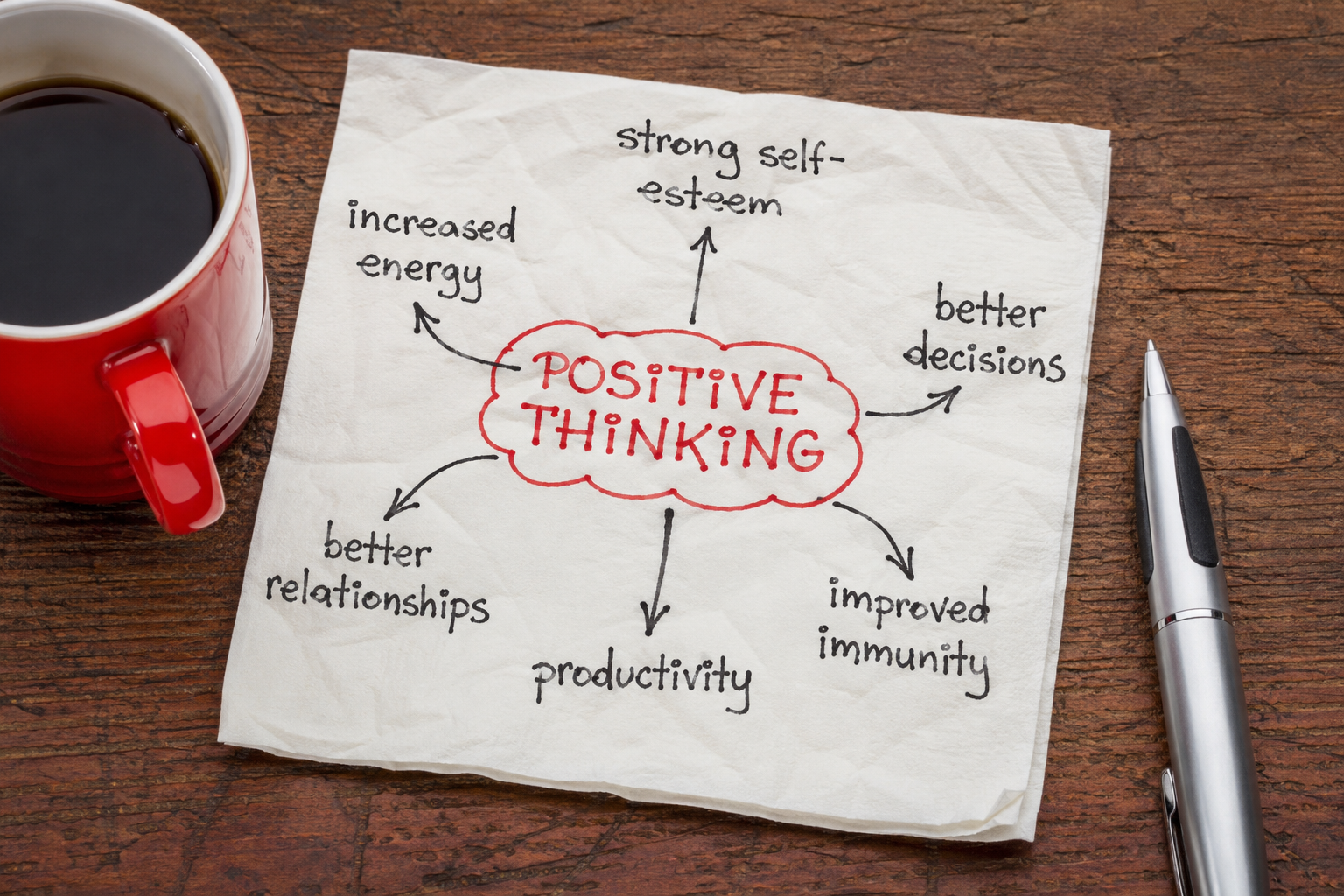
Positive thinking can support mental wellness by helping people manage stress, build self confidence, develop emotional resilience, maintain healthy relationships, and stay motivated during difficult times. It does not mean ignoring problems or forcing yourself to feel happy all the time. Instead, it means developing a balanced way of looking at life and believing that challenges can be managed one step at a time.
Simple habits such as practicing gratitude, using supportive self talk, focusing on what you can control, recognizing small achievements, and spending time with positive people can gradually strengthen your mindset. With regular practice, positive thinking can become a valuable part of a healthy lifestyle and contribute to better emotional well being.
Taking care of your mental wellness is an ongoing process. Every positive thought, healthy choice, and small step forward can help create a stronger and more balanced approach to everyday life.