Stress is a normal part of everyday life. People may experience stress because of work, studies, family responsibilities, financial concerns, relationships, or busy schedules. A small amount of stress can sometimes help us stay focused and complete important tasks. However, constant stress can affect the body and mind and may make daily life more difficult.
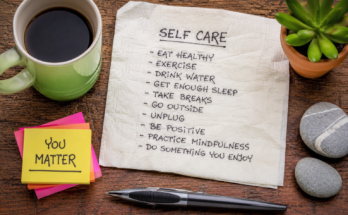
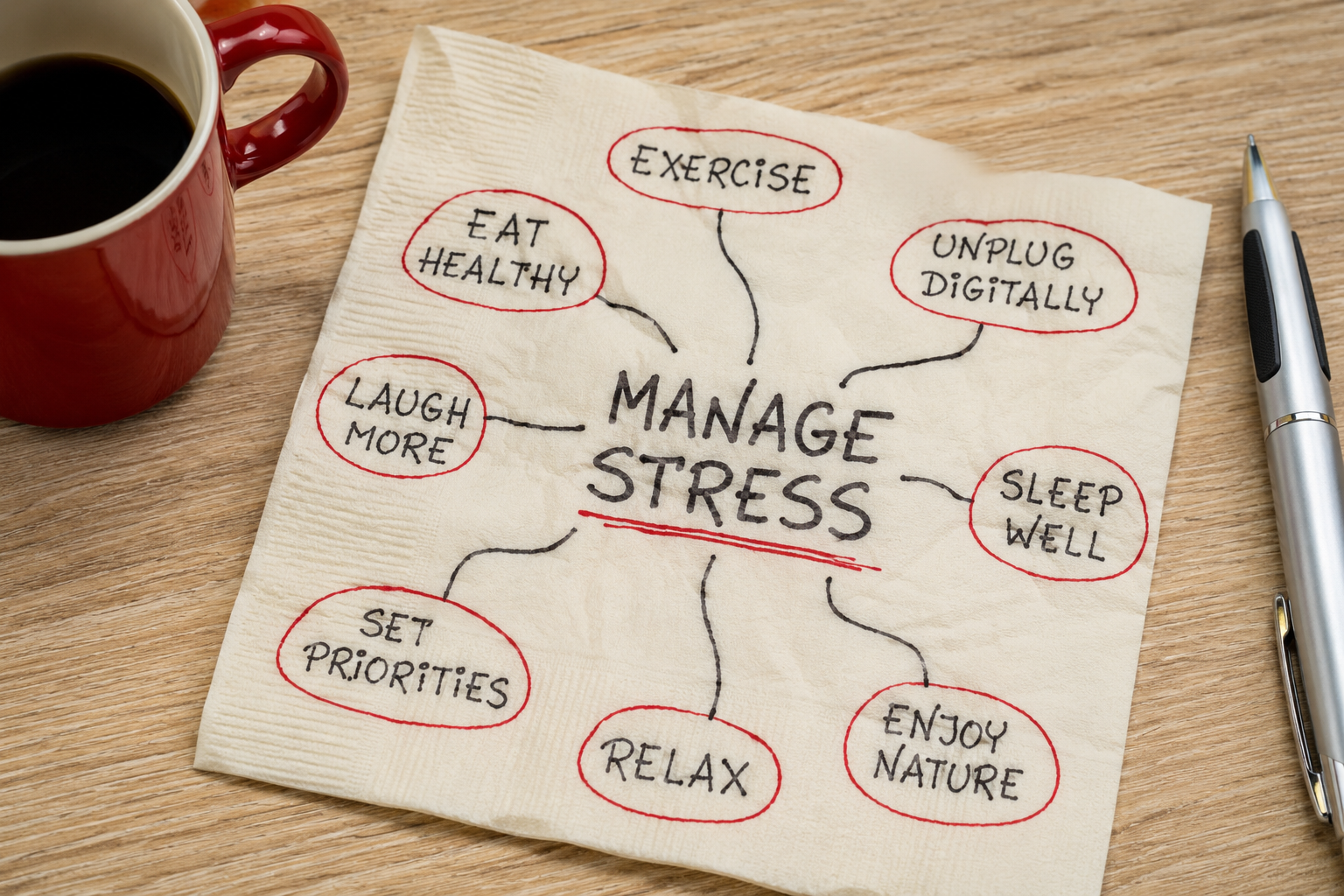
Learning how to manage daily stress does not always require major lifestyle changes. Simple habits such as getting enough sleep, staying physically active, eating healthy foods, taking short breaks, and spending time with people you trust can make a meaningful difference. The goal is not to remove every stressful situation from life but to develop healthy ways to respond to stress.
Understand What Causes Daily Stress
The first step in managing daily stress is understanding what causes it. Stress triggers are different for everyone. One person may feel stressed by a busy workplace, while another may struggle with family responsibilities or financial pressure.
Keeping track of stressful moments can help you recognize patterns. You may notice that stress becomes stronger when you skip meals, sleep poorly, take on too many tasks, or spend too much time online. Once you understand your common stress triggers, you can start making practical changes.
Knowing your limits is also important. Trying to handle everything at the same time can increase pressure. Learning to say no to unnecessary responsibilities can help protect your time and energy.
Create a Simple Daily Routine
A simple daily routine can make life feel more organized. When you know what needs to be done, you may spend less time worrying about unfinished tasks.
Start your day by identifying the most important things you need to accomplish. Instead of creating a long list of tasks, choose a few realistic priorities. Completing smaller tasks can also create a sense of progress.
Try to keep regular times for waking up, meals, work, relaxation, and sleep. A consistent routine can help your mind and body prepare for different parts of the day.
Practice Deep Breathing
Deep breathing is one of the easiest ways to manage stress during a busy day. When people feel stressed, their breathing may become faster and less controlled. Slow breathing can encourage the body to relax.
Find a comfortable position and take a slow breath through your nose. Allow your stomach to expand gently as you breathe in. Then breathe out slowly through your mouth. Repeat this several times while paying attention to the movement of your breath.
You can practice deep breathing at home, at work, or before an important event. Even a few minutes can provide a quiet break from stressful thoughts.
Stay Physically Active
Regular physical activity is an important part of healthy stress management. Exercise can improve mood, support better sleep, and help you feel more energetic.
You do not need to spend hours at a gym. Walking, stretching, cycling, dancing, swimming, or doing simple exercises at home can help keep your body active.
Try to include movement throughout the day. If you sit for long periods, stand up and walk around for a few minutes. Taking a short walk after work can also provide a useful transition between work and personal time.
Get Enough Quality Sleep
Poor sleep can make daily stress feel harder to manage. When you are tired, small problems may seem more difficult and your ability to concentrate may decrease.
Adults generally benefit from getting around seven to nine hours of sleep each night, although individual needs can vary. Try to maintain a regular sleep schedule and create a calm environment before bedtime.
Avoid using electronic devices for long periods immediately before sleep if they make it harder for you to relax. A quiet activity such as reading, gentle stretching, or listening to calming music may help prepare your mind for rest.
Eat Healthy and Balanced Meals
Food can also play an important role in how you feel throughout the day. Skipping meals or relying heavily on highly processed foods may leave you feeling tired and less focused.
Choose a variety of nutritious foods such as vegetables, fruits, whole grains, beans, eggs, fish, nuts, and other healthy protein sources. Drinking enough water is also important for general wellbeing.
Try not to use excessive caffeine as a way to handle tiredness or stress. Too much caffeine may make some people feel restless or anxious, especially later in the day.
Take Short Breaks
Working continuously without a break can increase mental fatigue. Short breaks give your brain an opportunity to reset.
If you have been working for a long period, stand up, stretch, drink some water, or look away from your screen. You can also step outside for fresh air or spend a few quiet minutes away from your usual work environment.
Taking a break does not mean you are wasting time. A refreshed mind may help you return to your tasks with better concentration.
Spend Time With Supportive People
Healthy relationships can make stress easier to handle. Talking with a trusted friend, family member, teacher, colleague, or other supportive person can help you feel less alone.
You do not always need someone to solve your problems. Sometimes simply expressing your thoughts can make a stressful situation feel more manageable.
Make time for positive social connections even when your schedule is busy. A short conversation, shared meal, walk, or phone call can provide emotional support.
Limit Unnecessary Screen Time
Technology is useful, but too much screen time can sometimes increase stress. Constant notifications, social media updates, online arguments, and negative news can keep your mind active even when you need rest.
Consider turning off unnecessary notifications and setting specific times to check social media or messages. Creating periods without screens can give your mind a chance to slow down.
Before going to bed, consider replacing endless scrolling with a relaxing activity. This may also support a healthier bedtime routine.
Organize Your Work and Responsibilities
Disorganization can create unnecessary stress. When several responsibilities are competing for your attention, it can be difficult to know where to begin.
Use a notebook, calendar, or simple planning system to organize important tasks. Break large responsibilities into smaller steps. Instead of thinking about completing an entire project, focus on the next action you can realistically take.
Avoid trying to complete everything perfectly. Setting realistic expectations can reduce pressure and help you make steady progress.
Make Time for Activities You Enjoy
Enjoyable activities are an important part of stress management. Hobbies can provide a mental break from responsibilities and allow you to focus on something positive.
You might enjoy reading, gardening, cooking, photography, drawing, sports, music, walking, or spending time with pets. Even a few minutes of an enjoyable activity can make your day feel more balanced.
Do not wait until every responsibility is finished before allowing yourself to relax. Rest and enjoyment are also important parts of a healthy lifestyle.
Practice Positive Thinking
Stress can become stronger when you repeatedly focus on worst case outcomes. Positive thinking does not mean ignoring real problems. Instead, it means looking at challenges in a balanced way.
When you face a difficult situation, ask yourself what you can control and what you cannot control. Focus your energy on practical actions rather than worrying about things outside your influence.
You can also remind yourself of challenges you have successfully handled in the past. This can build confidence and encourage a more balanced response to current problems.
Spend Time Outdoors
Spending time outdoors can be a simple way to take a mental break. Walking in a park, sitting in a garden, or simply getting some fresh air can help you step away from a busy environment.
Outdoor activities can also encourage physical movement and provide a change of scenery. If you spend most of your day indoors, even a short outdoor break may make your routine feel more refreshing.
Learn to Manage Your Time
Poor time management can create unnecessary pressure. When several tasks are delayed until the last minute, stress can increase quickly.
Try to start important tasks earlier and divide large projects into smaller sections. Avoid filling every minute of your day with responsibilities. Leaving some free time between activities can make unexpected problems easier to handle.
Remember that being productive does not mean being busy every moment. Good time management should also include time for rest.
When Stress Becomes Difficult to Manage
Everyone experiences stressful days, but ongoing or overwhelming stress should not be ignored. If stress is seriously affecting your sleep, relationships, work, studies, or everyday activities, consider speaking with a qualified healthcare professional or mental health professional.
Seeking support is not a sign of weakness. Professional guidance can help you understand persistent stress and develop healthy strategies for managing it.
Conclusion
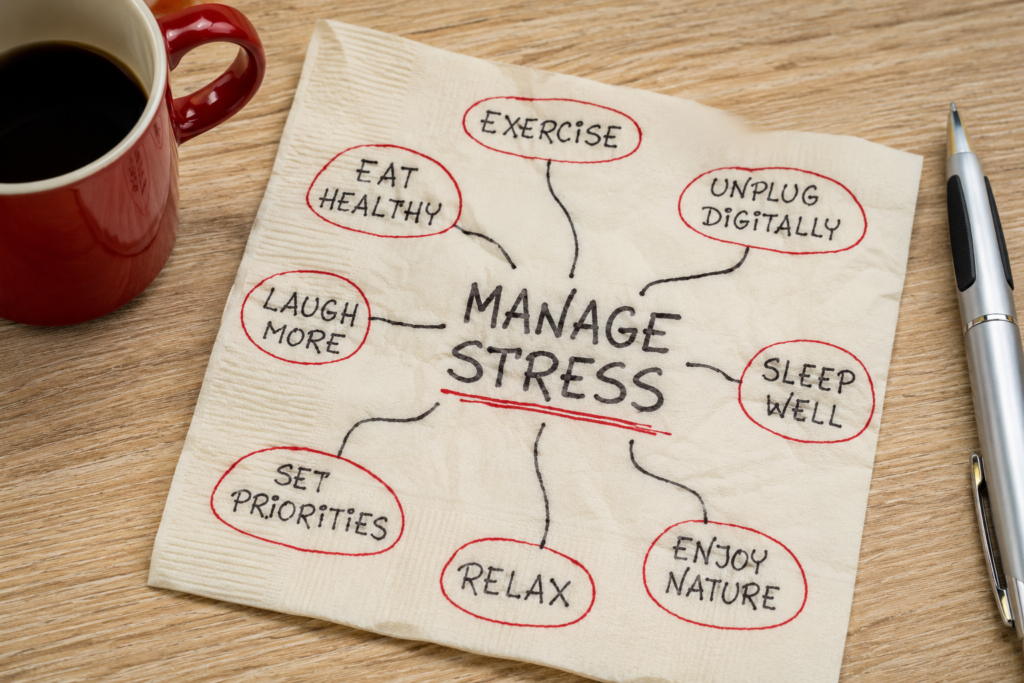
Managing daily stress starts with small and realistic changes. You do not need to completely change your lifestyle to feel more balanced. Simple habits such as regular exercise, healthy meals, quality sleep, deep breathing, short breaks, good time management, and supportive relationships can help you handle everyday pressure more effectively.
The most important thing is consistency. Choose a few healthy habits that fit your lifestyle and practice them regularly. Over time, these simple steps can help you build better stress management skills and create a calmer, healthier daily routine.
A stress free life may not be realistic, but a healthier response to stress is possible. By taking care of your body, protecting your mental wellbeing, and giving yourself time to rest, you can make daily life feel more manageable and balanced.