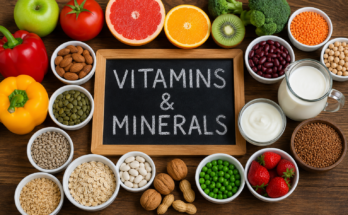
A balanced diet is one of the most important parts of a healthy lifestyle. The food we eat provides our body with energy, vitamins, minerals, protein, healthy fats, carbohydrates, and other nutrients needed for daily activities. A balanced diet for good health helps the body work properly, supports the immune system, improves energy levels, and can reduce the risk of many health problems. Eating healthy does not mean following a strict diet or avoiding all favorite foods. It means choosing different types of nutritious foods in suitable amounts and making healthy eating a regular part of everyday life.
What Is a Balanced Diet?
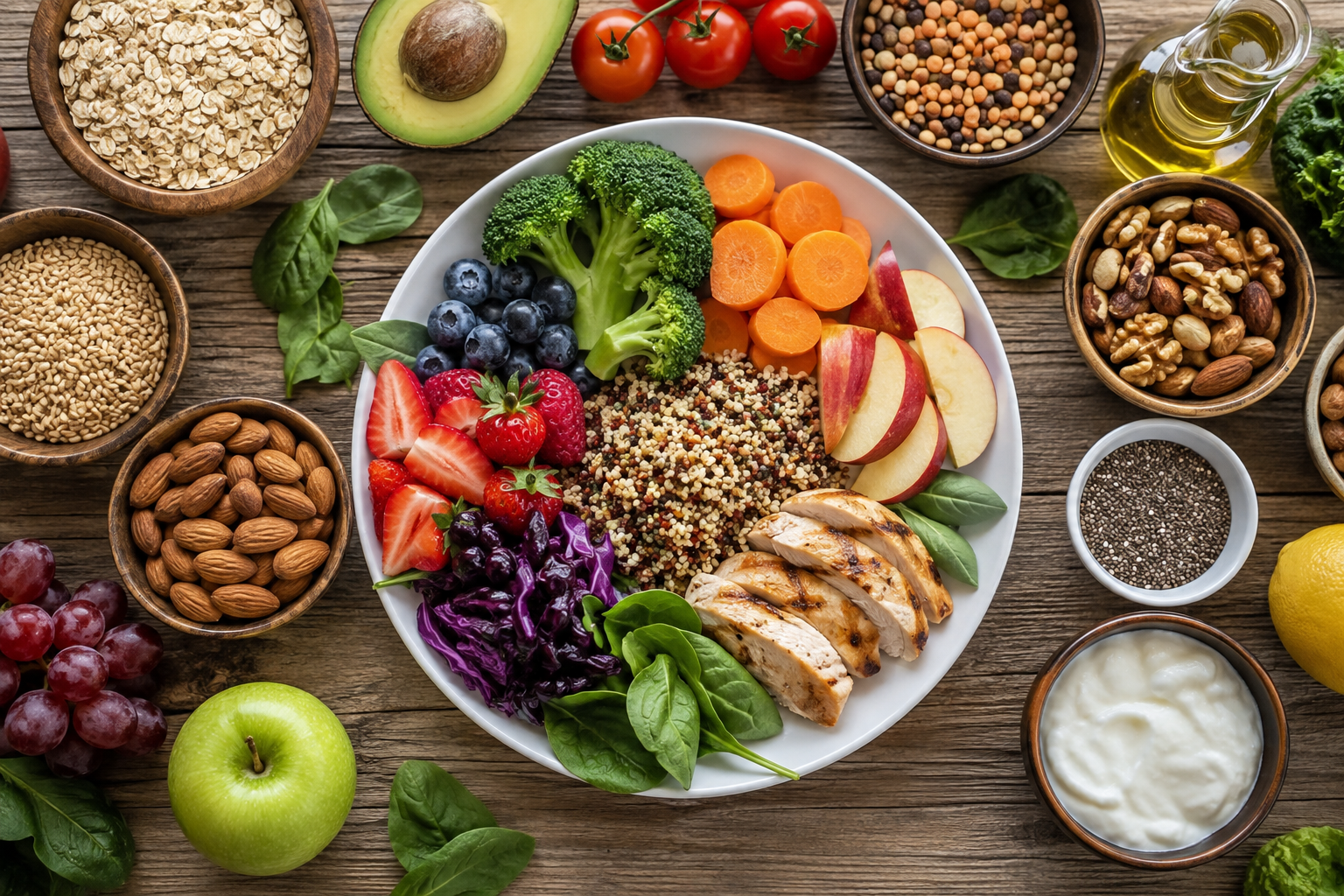
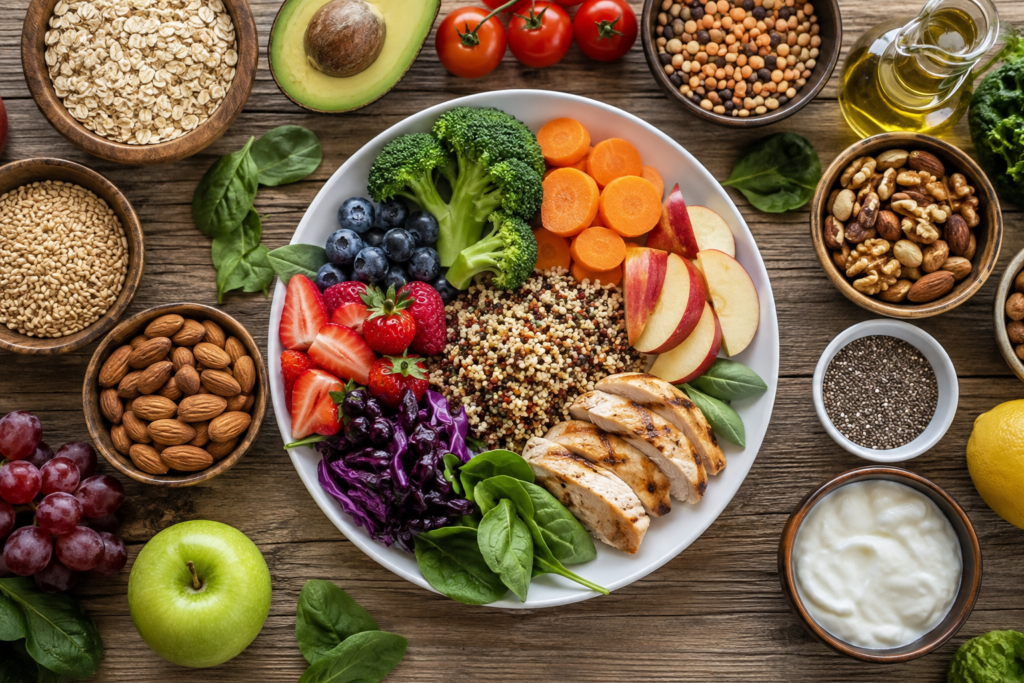
A balanced diet is a way of eating that provides the body with the nutrients it needs to stay healthy and active. It includes a variety of foods from different food groups. Fruits, vegetables, whole grains, protein rich foods, dairy products or suitable alternatives, and healthy fats can all have an important place in a balanced eating plan.
Every nutrient has a different role in the body. Carbohydrates provide energy for daily activities. Protein supports muscles and helps repair body tissues. Healthy fats support brain function and help the body absorb certain vitamins. Vitamins and minerals support many processes, including bone health, blood production, immune function, and normal body development.
Eating a variety of foods is important because no single food can provide every nutrient the body needs.
Why Is a Balanced Diet Important for Good Health?
The importance of a balanced diet can be seen in almost every part of physical and mental health. When people regularly eat nutritious foods, their bodies receive the fuel and nutrients needed for normal functions.
A healthy diet can support the immune system, maintain healthy body weight, strengthen bones and muscles, improve digestion, and support heart health. It can also help people feel more energetic throughout the day.
A poor diet, especially one that is regularly high in added sugars, unhealthy fats, and highly processed foods, may make it harder to maintain good health. This is why healthy food choices should become part of a person’s normal daily routine.
A Balanced Diet Provides Energy
The body needs energy to walk, work, study, exercise, think, and perform everyday activities. Food supplies this energy through nutrients, especially carbohydrates and fats.
Healthy sources of carbohydrates include whole grains, fruits, vegetables, beans, and other nutritious foods. These foods can provide energy along with important vitamins, minerals, and fiber.
Eating regular balanced meals can also help prevent extreme hunger and low energy during the day. Instead of depending mainly on sugary snacks or highly processed foods for quick energy, choosing nutritious meals can provide more useful fuel for the body.
Supports a Strong Immune System
The immune system protects the body from many infections and illnesses. Good nutrition plays an important role in supporting normal immune function.
Fruits and vegetables provide vitamins, minerals, antioxidants, and other beneficial plant compounds. Foods such as citrus fruits, berries, leafy green vegetables, carrots, beans, nuts, seeds, eggs, fish, and lean meats can contribute important nutrients to a healthy eating pattern.
A balanced diet cannot guarantee that a person will never become sick, but getting enough essential nutrients can help support the body’s normal defenses.
Helps Maintain a Healthy Weight
A balanced diet can also support healthy weight management. Eating nutritious foods in appropriate portions can make it easier to meet the body’s energy needs without regularly consuming excessive calories.
Foods rich in fiber, protein, and nutrients can help people feel satisfied after meals. Vegetables, fruits, whole grains, beans, and lean protein sources can be useful choices for balanced meals.
Healthy weight management is not about starving the body or following extreme diets. It is about creating sustainable eating habits that provide adequate nutrition while supporting an active lifestyle.
Supports Heart Health
Heart health is another important reason to focus on a balanced diet. A healthy eating pattern can include plenty of vegetables, fruits, whole grains, beans, nuts, seeds, and other nutritious foods.
Choosing healthier fats and limiting excessive amounts of saturated fat, added sugar, and highly processed foods can also support overall cardiovascular health.
Eating a variety of nutritious foods regularly can be part of a lifestyle that supports healthy blood pressure and cholesterol levels.
Improves Digestive Health
The digestive system needs fiber, water, and a variety of nutritious foods to function properly. Fiber is found naturally in fruits, vegetables, whole grains, beans, peas, nuts, and seeds.
Eating enough fiber can support regular bowel movements and healthy digestion. Increasing fiber gradually while drinking enough water can make it easier for the digestive system to adjust.
A diet that contains different plant foods also provides a variety of nutrients and compounds that support overall digestive health.
Strengthens Bones and Muscles
Protein, calcium, vitamin D, phosphorus, magnesium, and other nutrients contribute to healthy bones and muscles. Dairy products such as milk and yogurt can provide calcium and protein, while suitable alternatives may also contain these nutrients.
Protein can be found in foods such as eggs, fish, poultry, beans, lentils, nuts, seeds, and other protein rich foods. Regular physical activity combined with good nutrition can further support muscle strength and bone health.
This is particularly important throughout life because strong muscles and bones support movement, balance, and everyday activities.
Supports Brain Function and Mental Well Being
Food also plays a role in brain health. The brain needs energy and nutrients to perform its many functions. A varied diet that includes whole grains, vegetables, fruits, protein sources, nuts, seeds, and healthy fats can provide important nutrients for the body and brain.
Eating regular nutritious meals may also help people maintain steady energy throughout the day. When the body receives adequate nutrition, it can be easier to stay focused and active.
Healthy eating is not a replacement for professional care when someone has a mental health concern, but good nutrition can be one part of an overall healthy lifestyle.
Helps the Body Grow and Repair
Growth and tissue repair require adequate nutrients. Protein is especially important because the body uses it to build and repair tissues. Vitamins and minerals also support normal growth and many body processes.
Children and teenagers have increased nutritional needs because their bodies are developing. Adults also need proper nutrition to maintain muscles, bones, organs, and other tissues.
For this reason, eating enough nutritious food is important at every stage of life.
Important Nutrients for a Balanced Diet
A healthy diet should provide a combination of macronutrients and micronutrients. Macronutrients include carbohydrates, protein, and fats. Micronutrients include vitamins and minerals.
Carbohydrates are an important source of energy. Choosing whole grains, fruits, vegetables, and legumes can provide carbohydrates along with fiber and other nutrients.
Protein is needed for muscle maintenance, tissue repair, and many important body functions. Good sources include fish, eggs, poultry, beans, lentils, dairy foods, nuts, and seeds.
Healthy fats can be found in foods such as avocados, nuts, seeds, olive oil, and some types of fish. Fats are important for brain function and the absorption of certain vitamins.
Vitamins and minerals are needed in smaller amounts but are still essential. Eating different fruits, vegetables, whole grains, and protein foods can help provide a broad range of nutrients.
Simple Ways to Follow a Balanced Diet
Following a balanced diet does not need to be complicated. Start by adding more vegetables and fruits to everyday meals. Choose whole grains more often and include a source of protein with meals.
Drink enough water and reduce the regular consumption of sugary drinks. Try to limit highly processed foods and foods that contain excessive amounts of added sugar, salt, or unhealthy fats.
Portion sizes also matter. Eating slowly and paying attention to hunger and fullness can help people develop better eating habits.
Planning meals in advance can make healthy eating easier. Keeping nutritious foods available at home can also reduce the temptation to depend on less nutritious convenience foods.
Conclusion
The importance of a balanced diet for good health cannot be ignored. Nutritious food provides the energy and essential nutrients the body needs for daily activities, growth, repair, immunity, digestion, brain function, and overall well being.
A balanced diet is not about perfection. It is about making better food choices consistently and including a wide variety of nutritious foods in everyday meals. Fruits, vegetables, whole grains, protein sources, healthy fats, and adequate water can all contribute to a healthy lifestyle.
By developing simple and sustainable healthy eating habits, people can support their physical health and enjoy better energy and overall wellness. A balanced diet, combined with regular physical activity, sufficient sleep, and other healthy lifestyle habits, can be an important foundation for a healthier and more active life.