Vitamins and minerals are essential nutrients that the human body needs to stay healthy, active, and strong. Although the body requires vitamins and minerals in relatively small amounts, their role in maintaining good health is extremely important. They support the immune system, strengthen bones, help produce energy, protect cells, support brain function, and keep many important body processes working properly. A balanced diet is one of the best ways to provide the body with these essential nutrients.
Many people focus mainly on calories, protein, carbohydrates, and fats when thinking about healthy eating. However, vitamins and minerals are equally important because they help the body use other nutrients effectively. Without enough essential vitamins and minerals, a person may experience tiredness, weak immunity, poor concentration, and other health problems. Understanding the importance of vitamins and minerals can help people make better food choices and maintain a healthier lifestyle.
What Are Vitamins and Minerals?
Vitamins are organic nutrients that the body needs for normal growth, development, and daily functions. Some vitamins are stored in the body, while others need to be consumed regularly through food. Vitamins include vitamin A, vitamin C, vitamin D, vitamin E, vitamin K, and several B vitamins.
Minerals are naturally occurring nutrients that are also necessary for good health. Important minerals include calcium, iron, magnesium, potassium, zinc, phosphorus, and selenium. Each mineral performs specific functions in the body.
Both vitamins and minerals work together to support important processes. For example, some vitamins help the body absorb minerals, while certain minerals are needed for vitamins to perform their functions effectively. This is why eating a variety of nutritious foods is important for overall health.
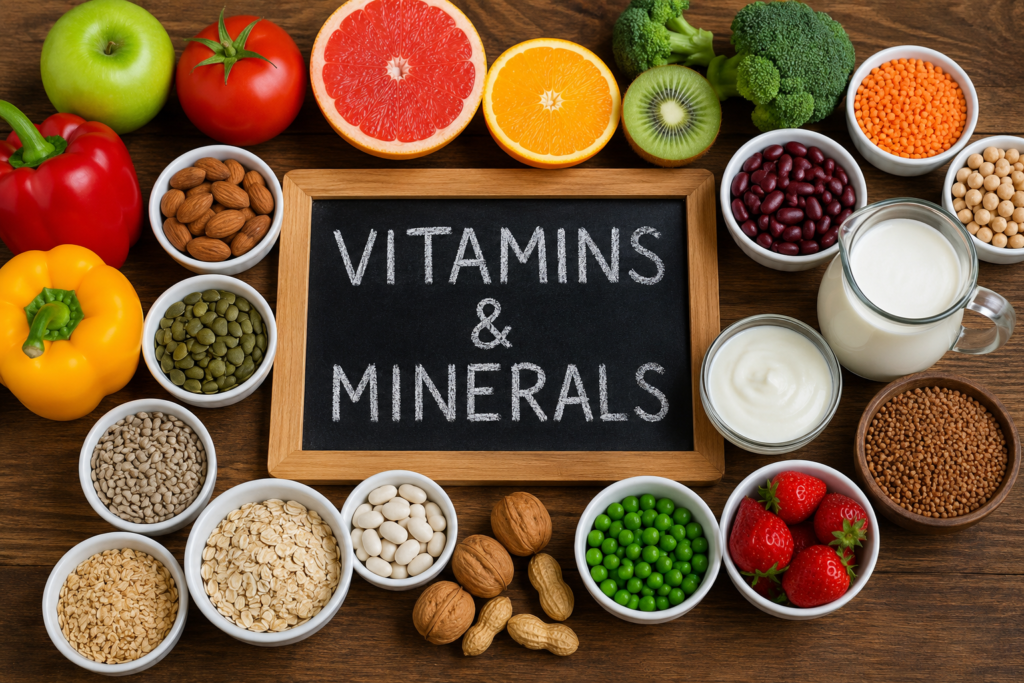
Vitamins and Minerals Support the Immune System
One of the major benefits of vitamins and minerals is their role in supporting the immune system. A strong immune system helps the body defend itself against infections and harmful microorganisms.
Vitamin C is well known for supporting immune function and protecting cells from oxidative stress. Vitamin A also contributes to healthy skin and body tissues, which can act as protective barriers. Vitamin D supports normal immune system activity, while minerals such as zinc and selenium also play important roles in immune health.
Eating fruits, vegetables, whole grains, nuts, seeds, eggs, dairy products, fish, and other nutritious foods can help provide these important nutrients.
They Help Maintain Strong Bones and Teeth
Healthy bones and teeth depend on several vitamins and minerals. Calcium is one of the most important minerals for maintaining strong bones and teeth. It also plays a role in muscle movement and normal nerve function.
Vitamin D is important because it helps the body absorb calcium. Without enough vitamin D, the body may have difficulty using calcium effectively. Vitamin K also contributes to normal bone health.
Dairy products, leafy green vegetables, fortified foods, fish, seeds, and other nutritious foods can contribute to healthy bones when included as part of a balanced diet.
Vitamins and Minerals Help Produce Energy
Vitamins and minerals do not provide calories like carbohydrates, proteins, and fats, but they help the body convert food into usable energy. Several B vitamins are especially important for energy metabolism.
When the body receives enough essential nutrients, normal metabolic processes can work efficiently. Iron is another important mineral because it is involved in the production of hemoglobin, a protein that carries oxygen in the blood. A lack of iron can contribute to tiredness and weakness.
A balanced diet containing whole grains, beans, vegetables, fruits, meat, eggs, and other nutrient rich foods can help support normal energy production.
They Support Brain and Nervous System Function
The brain and nervous system require a steady supply of essential nutrients. Vitamins and minerals help support normal brain function, nerve communication, and mental performance.
B vitamins are involved in several processes related to the nervous system. Magnesium contributes to normal nerve and muscle function, while iron is important for oxygen transport throughout the body.
Eating a varied diet can help provide nutrients that support normal concentration, memory, and nervous system function. Healthy foods cannot replace professional treatment for medical conditions, but good nutrition is an important part of overall wellbeing.
Vitamins Protect Cells From Damage
Some vitamins and minerals have antioxidant properties that help protect cells from oxidative stress. Vitamins C and E are commonly associated with antioxidant protection. Selenium and other nutrients also contribute to the body’s natural protective systems.
Oxidative stress occurs naturally in the body, but excessive oxidative stress can damage cells. Eating a variety of fruits, vegetables, nuts, seeds, and whole foods provides different nutrients and plant compounds that can contribute to overall health.
They Support Healthy Skin, Hair, and Nails
Nutrition can also influence the condition of skin, hair, and nails. Vitamins and minerals contribute to normal cell growth and tissue maintenance.
Vitamin A supports normal skin health, while vitamin C is involved in collagen production. Zinc contributes to normal skin maintenance and wound healing. Iron also supports normal oxygen transport, which is important for healthy body tissues.
Instead of depending on a single food or supplement for healthy skin and hair, it is better to focus on a balanced diet that provides a wide range of nutrients.
Important Vitamins and Their Functions
Vitamin A supports vision, immune function, and healthy body tissues. It can be found in foods such as carrots, sweet potatoes, spinach, eggs, and certain dairy products.
Vitamin B vitamins help the body use energy from food and support the nervous system. Whole grains, beans, eggs, meat, dairy products, nuts, and vegetables can provide different B vitamins.
Vitamin C supports immune function, collagen formation, and antioxidant protection. Citrus fruits, strawberries, tomatoes, peppers, and many vegetables are good sources.
Vitamin D supports calcium absorption, bone health, and normal immune function. Sunlight exposure can help the body produce vitamin D, while foods such as fatty fish, eggs, and fortified products can also provide it.
Vitamin E acts as an antioxidant and helps protect cells. Nuts, seeds, vegetable oils, and some green vegetables contain vitamin E.
Vitamin K contributes to normal blood clotting and bone health. Green leafy vegetables are important dietary sources.
Important Minerals and Their Functions
Calcium is essential for strong bones and teeth and also supports normal muscle and nerve function. Milk, yogurt, cheese, leafy greens, and fortified foods can provide calcium.
Iron is important for producing hemoglobin and transporting oxygen around the body. Meat, beans, lentils, spinach, and fortified grains are common sources.
Magnesium supports normal muscle and nerve function and is involved in many body processes. Nuts, seeds, whole grains, and leafy vegetables contain magnesium.
Potassium supports normal muscle function, nerve signaling, and fluid balance. Bananas, potatoes, beans, vegetables, and fruits can provide potassium.
Zinc supports immune function, wound healing, and normal growth. Meat, seafood, dairy products, beans, nuts, and seeds are useful sources.
Selenium contributes to antioxidant protection and normal thyroid function. Fish, eggs, meat, and some nuts can provide selenium.
Best Food Sources of Vitamins and Minerals
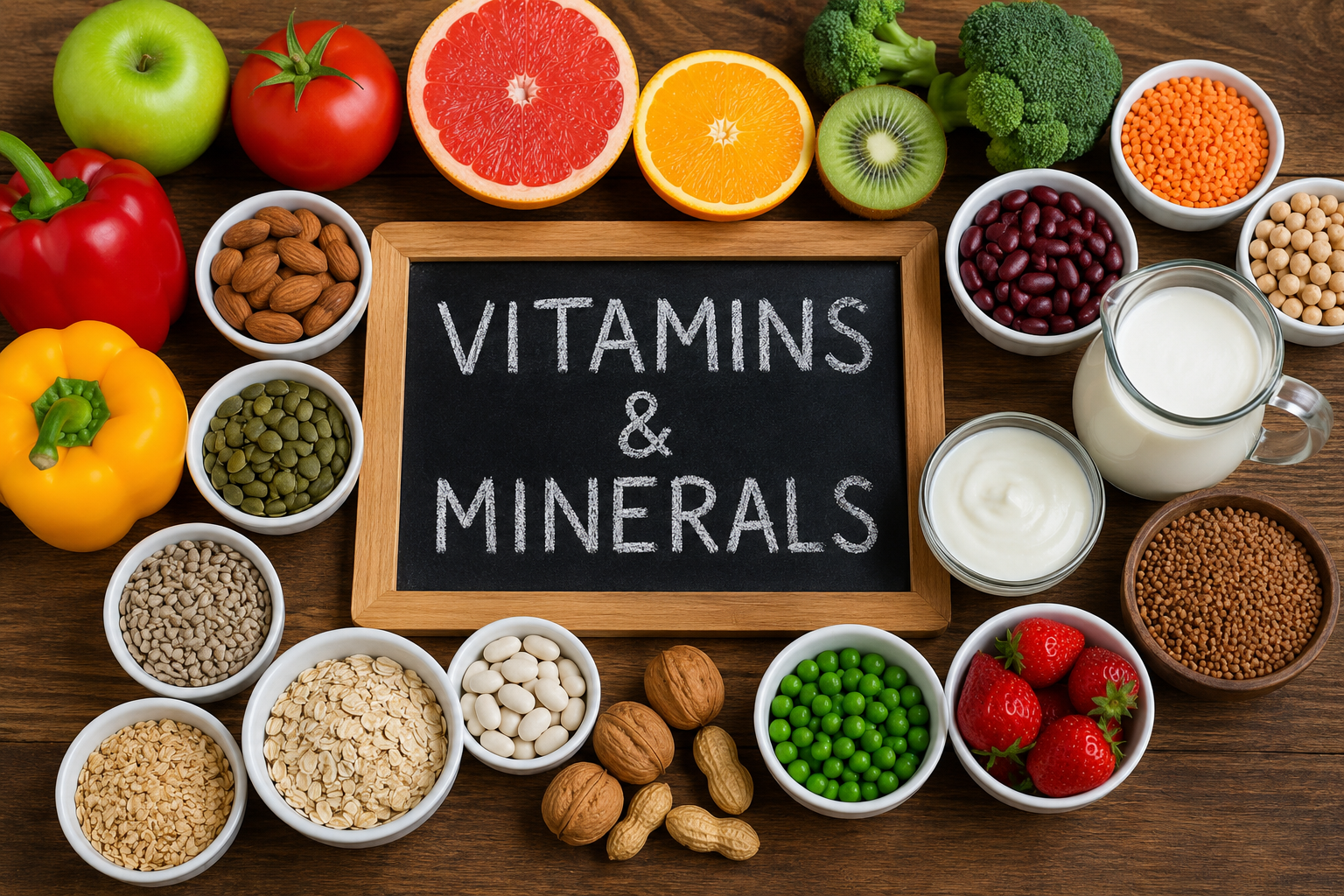
The best way to obtain most vitamins and minerals is through a varied and balanced diet. Fruits and vegetables provide many vitamins, minerals, fiber, and beneficial plant compounds. Whole grains provide important B vitamins and minerals. Beans, lentils, nuts, and seeds can provide minerals, protein, and other nutrients.
Animal foods such as eggs, fish, meat, and dairy products can provide nutrients including vitamin B12, iron, calcium, zinc, and vitamin D depending on the food.
Eating different types of foods is important because no single food provides every nutrient the body needs. A colorful and varied plate can make it easier to obtain a broad range of essential nutrients.
Can Supplements Replace Healthy Food?
Vitamin and mineral supplements can be useful in certain situations, especially when a healthcare professional identifies a nutritional deficiency or increased nutritional need. However, supplements should not normally be considered a replacement for a healthy diet.
Whole foods provide a combination of vitamins, minerals, protein, fiber, and other beneficial compounds. Taking large amounts of certain supplements can also be harmful. For this reason, supplements should be used carefully and according to professional guidance when needed.
Conclusion
The importance of vitamins and minerals for the body should never be overlooked. These essential nutrients support immunity, energy metabolism, bone strength, brain function, healthy tissues, and many other important processes. Even though they are needed in relatively small amounts, getting enough vitamins and minerals is essential for maintaining good health.
A balanced diet that includes fruits, vegetables, whole grains, beans, nuts, seeds, dairy products, eggs, fish, and other nutritious foods can help provide the body with the nutrients it needs. Making healthy food choices every day is a simple and effective way to support overall wellbeing. By understanding the importance of vitamins and minerals, people can take better care of their bodies and build healthy eating habits that support long term health.